
Interfacings & Waddings For Bag Making
Everything you need to add structure, softness or stability to your bags — carefully selected for reliable, professional results.
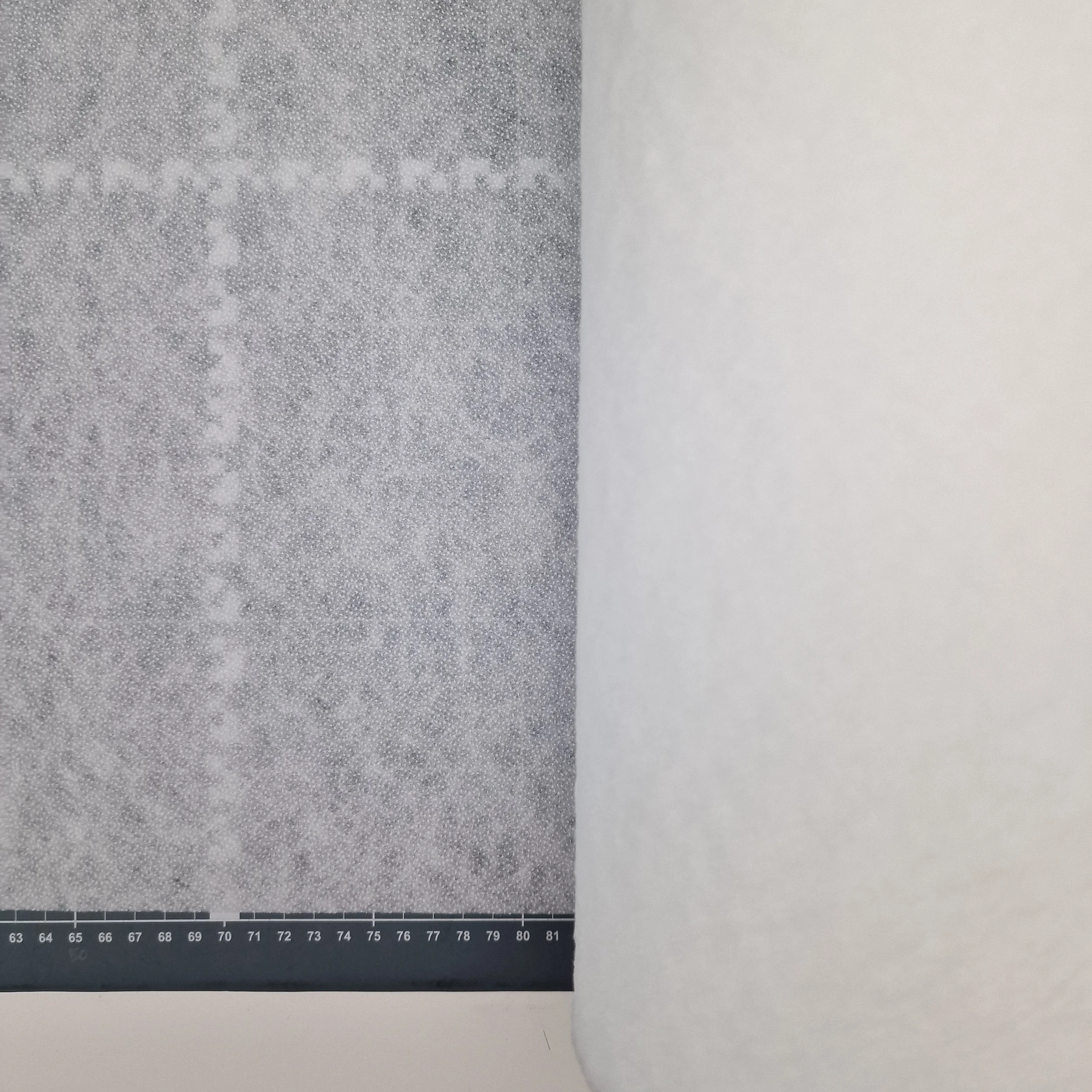
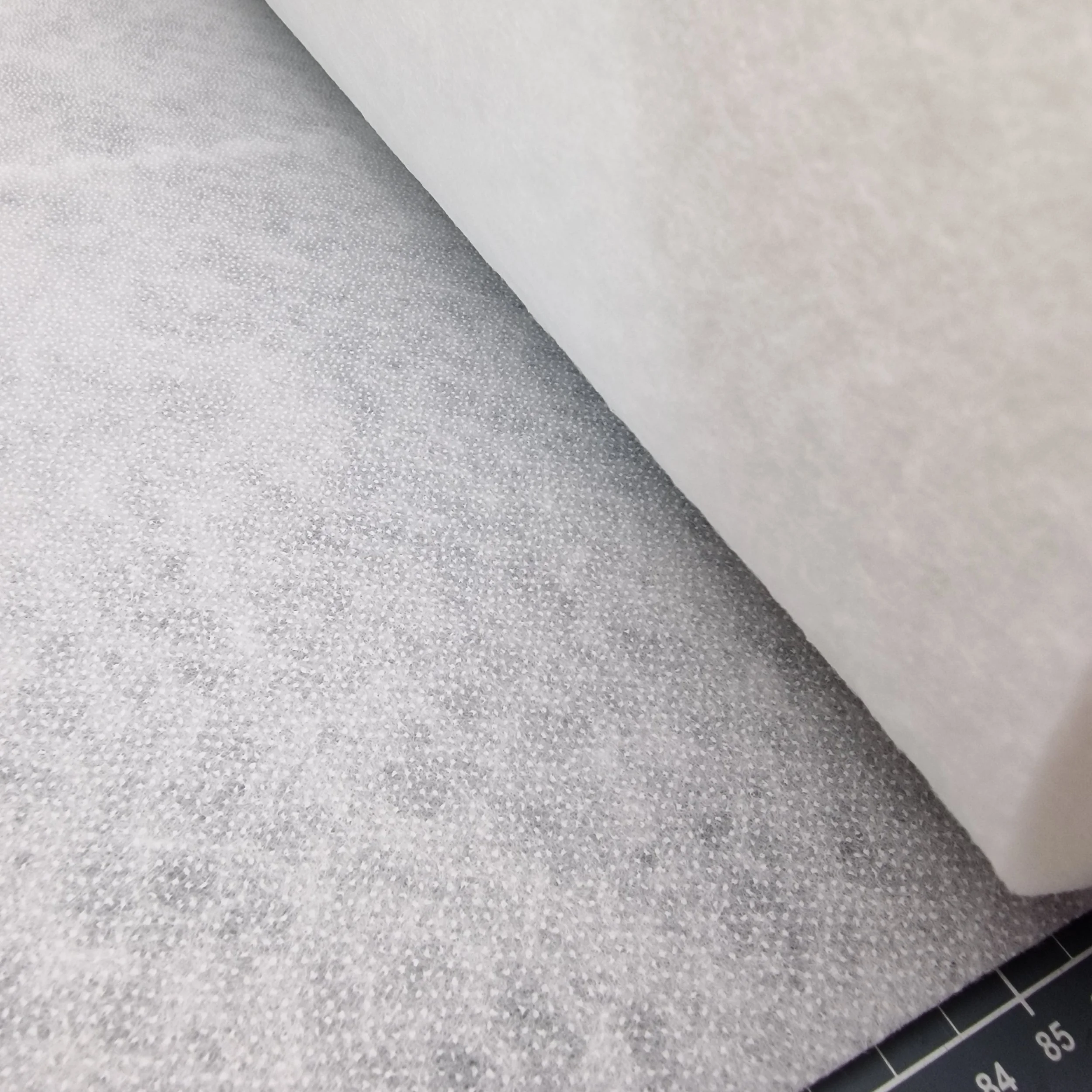
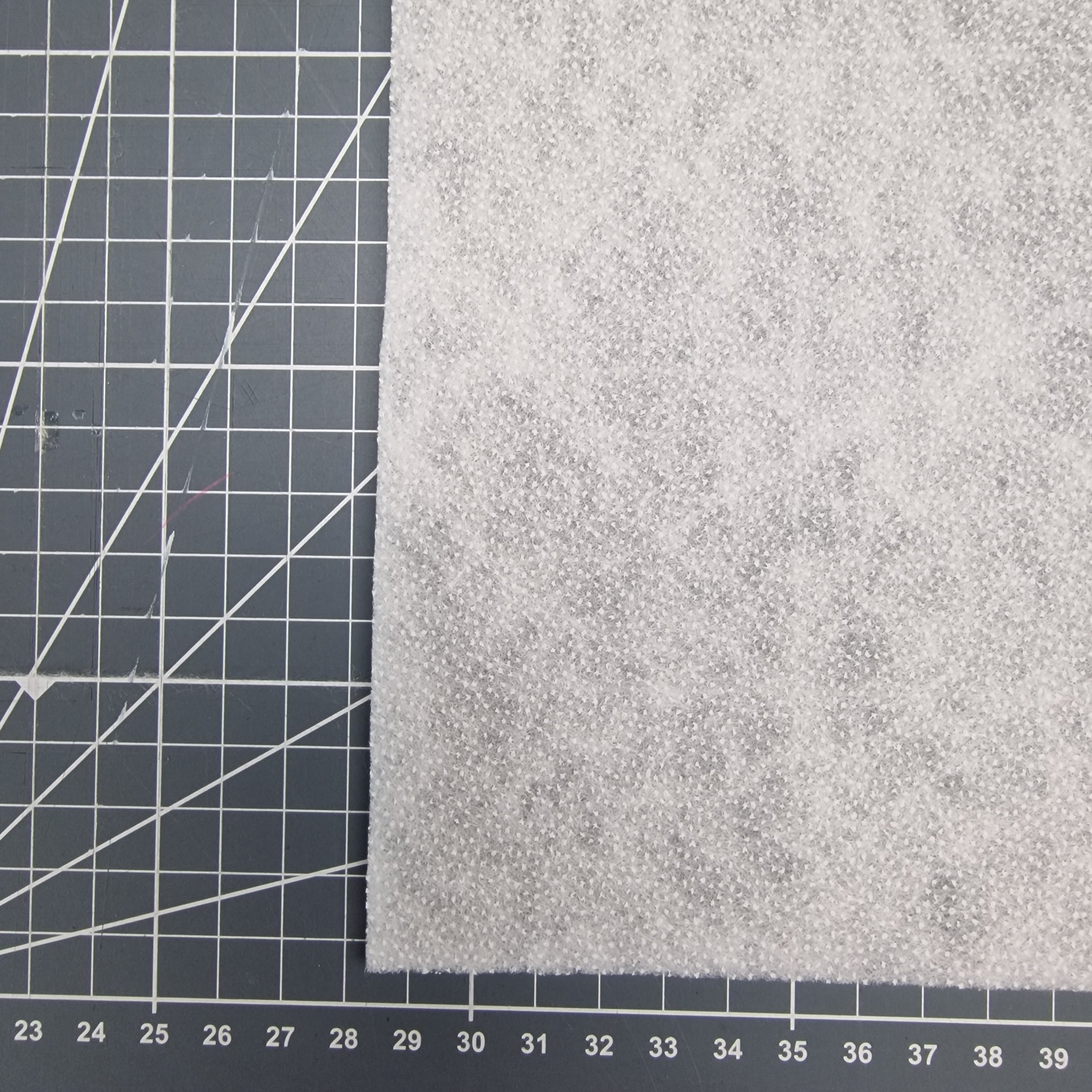
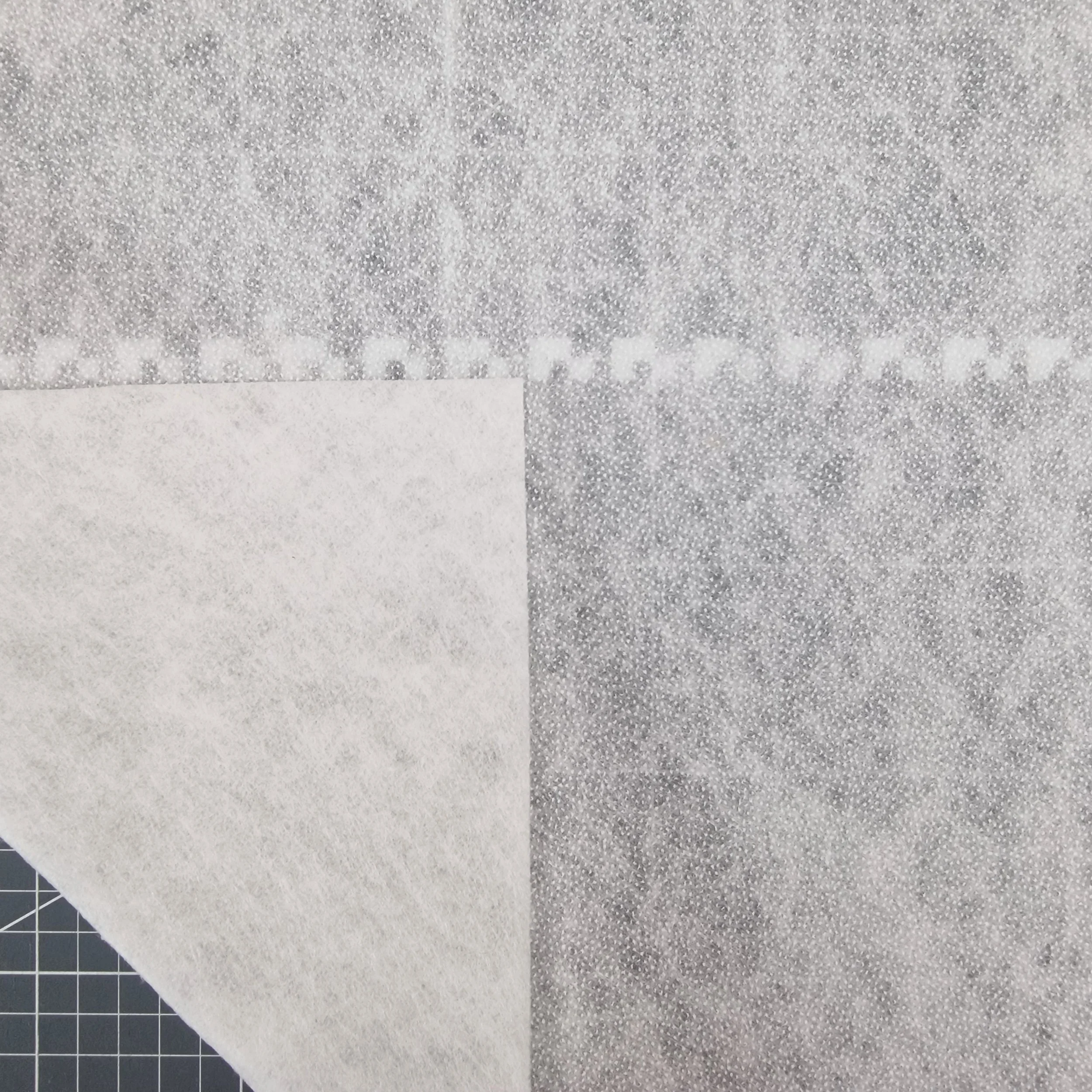
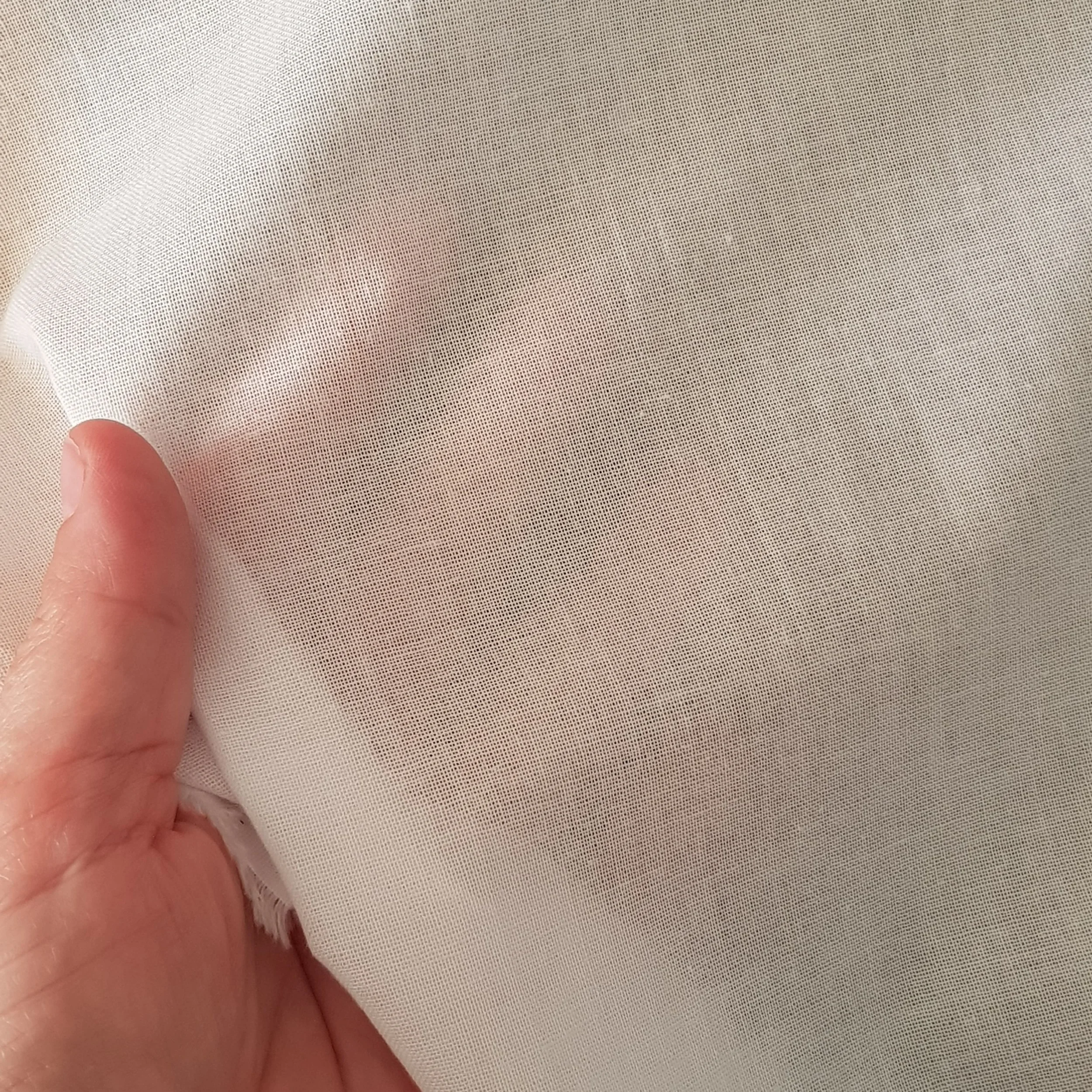
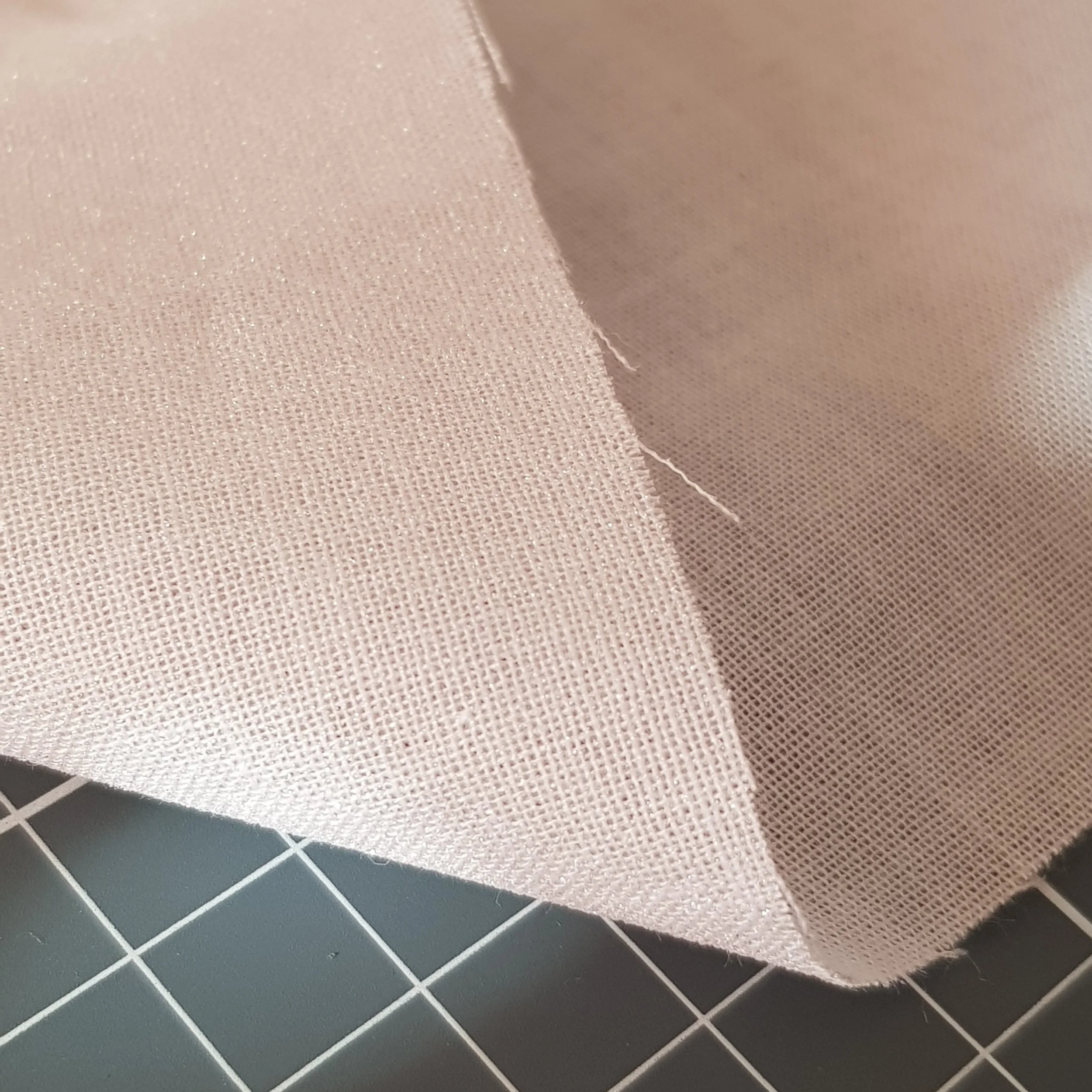
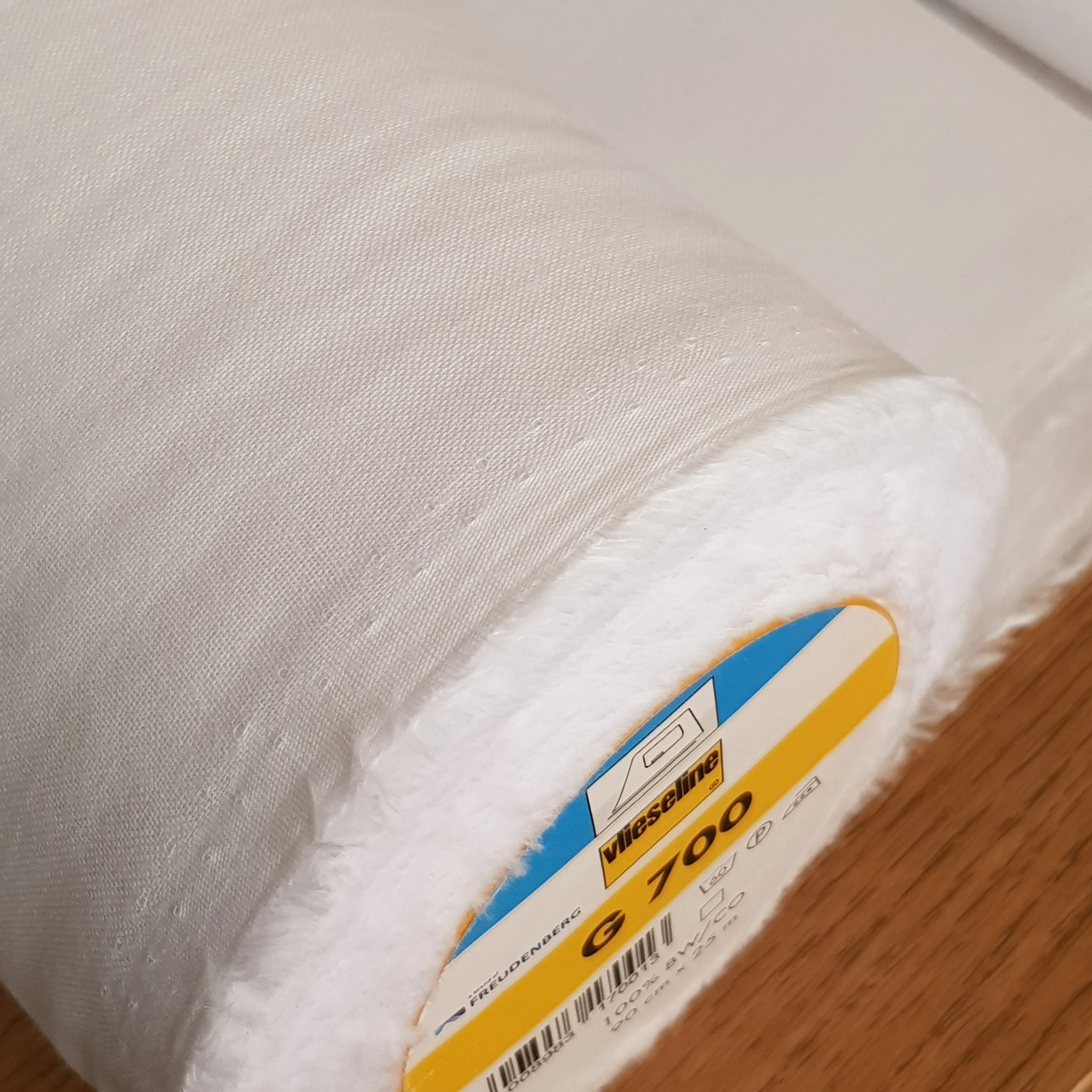
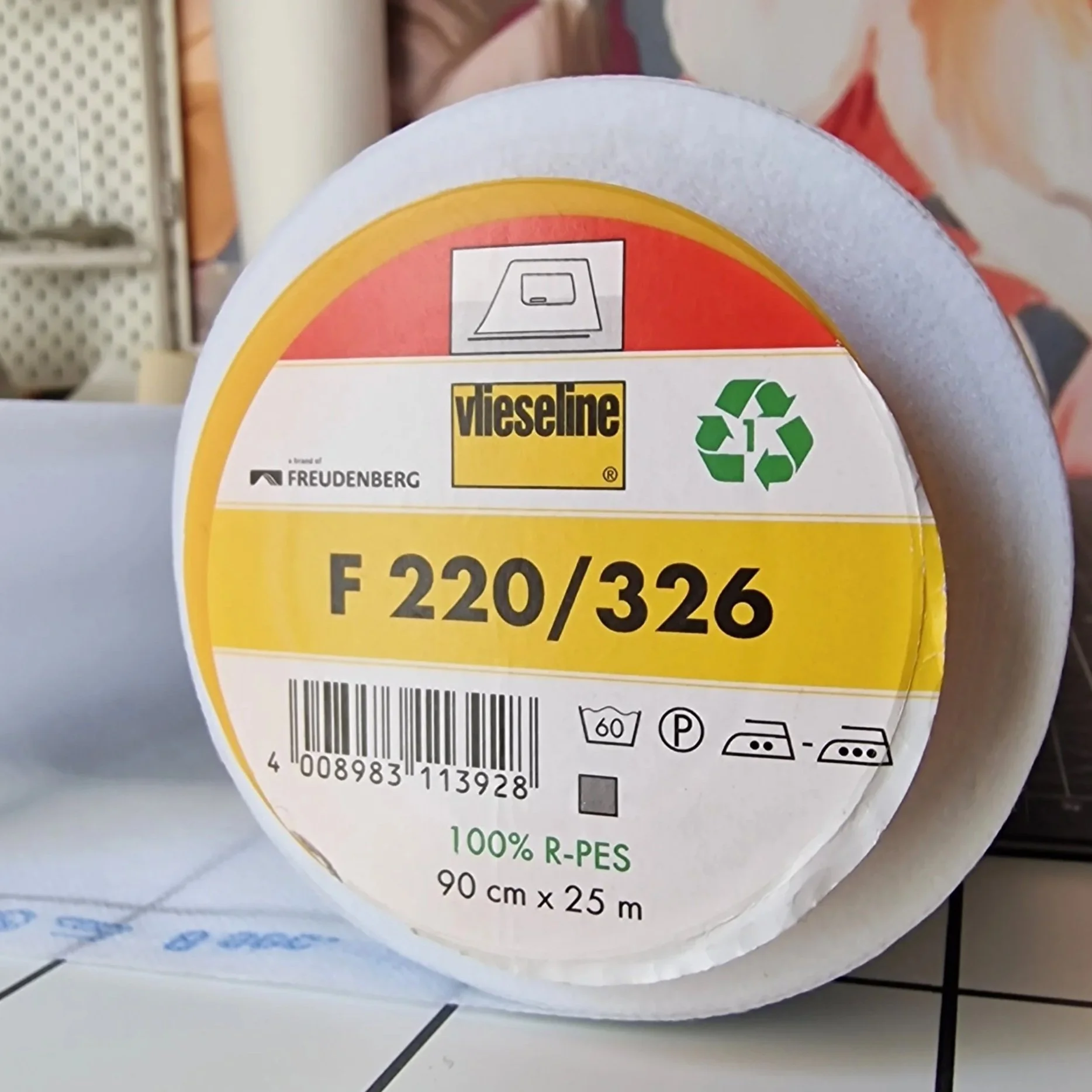
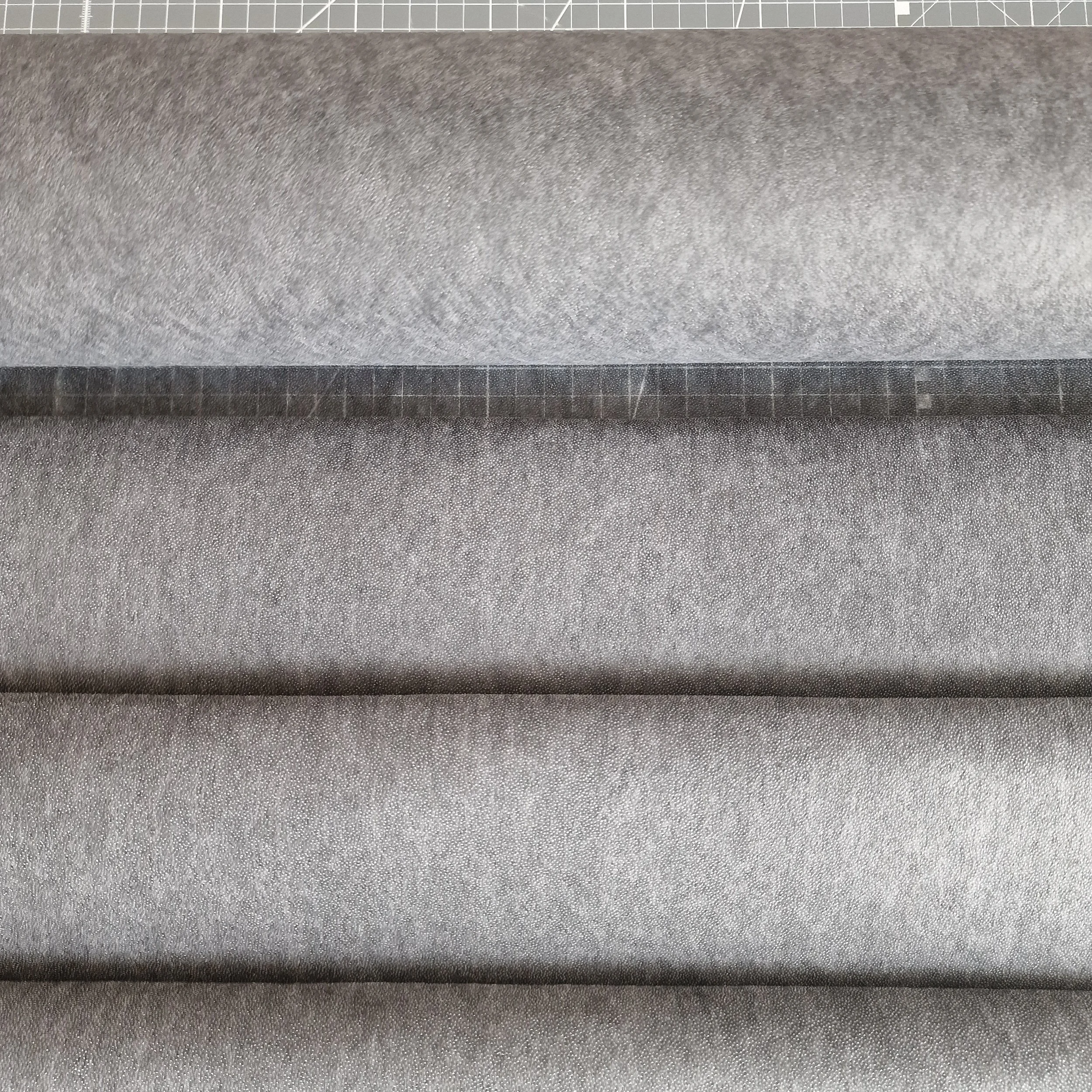
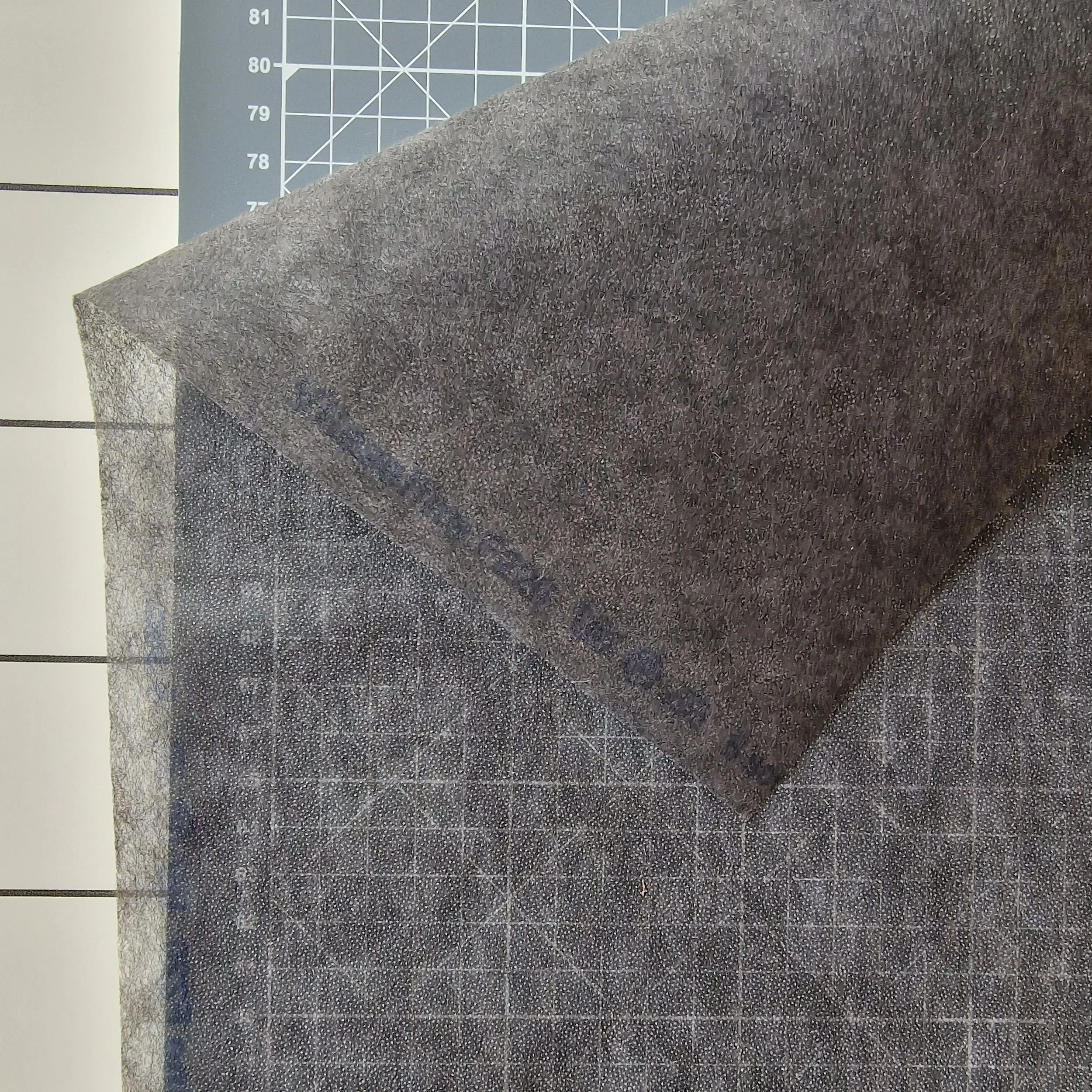
Choosing the right interfacing & wadding FAQ’s
Quick answers to help you choose the right materials and get better results
-
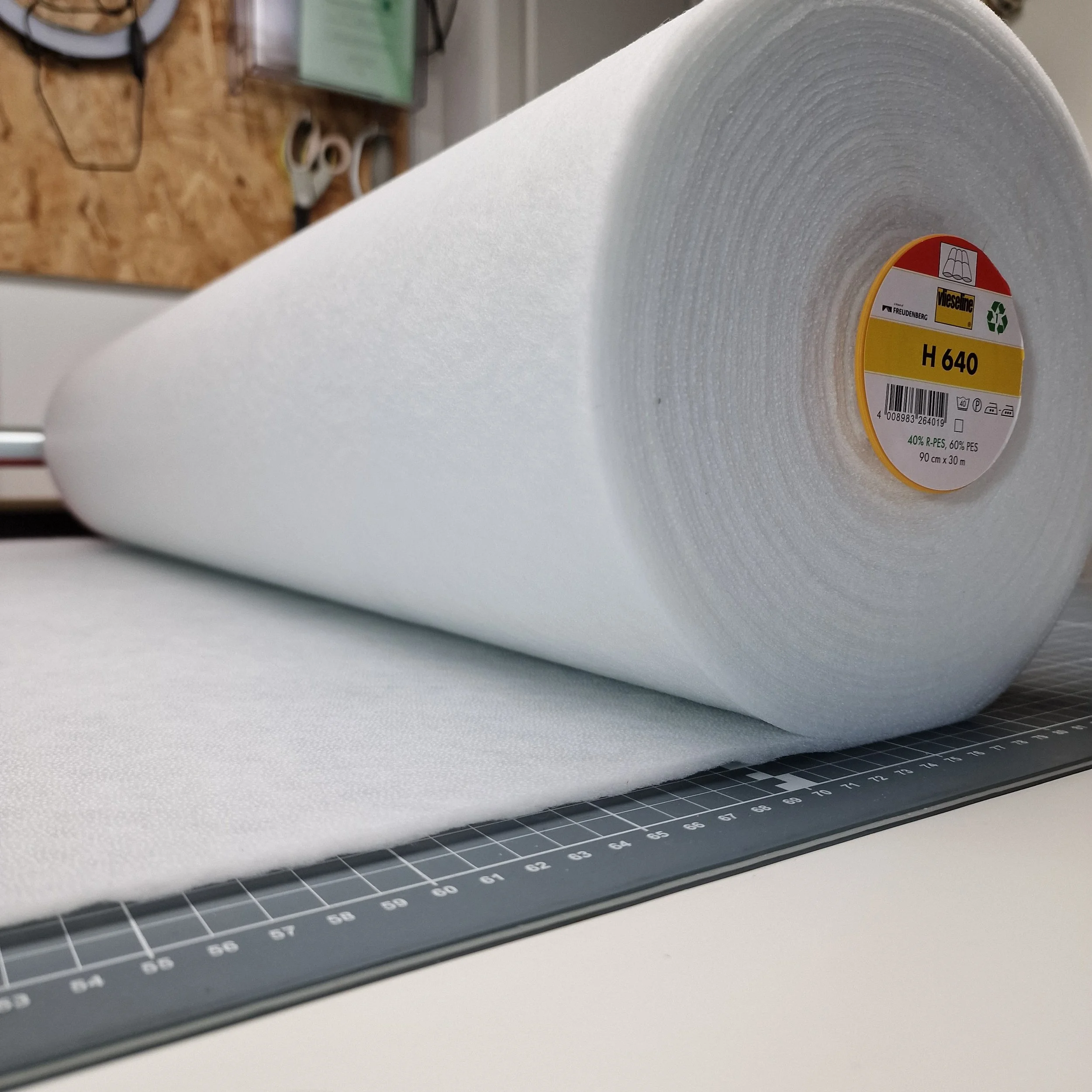
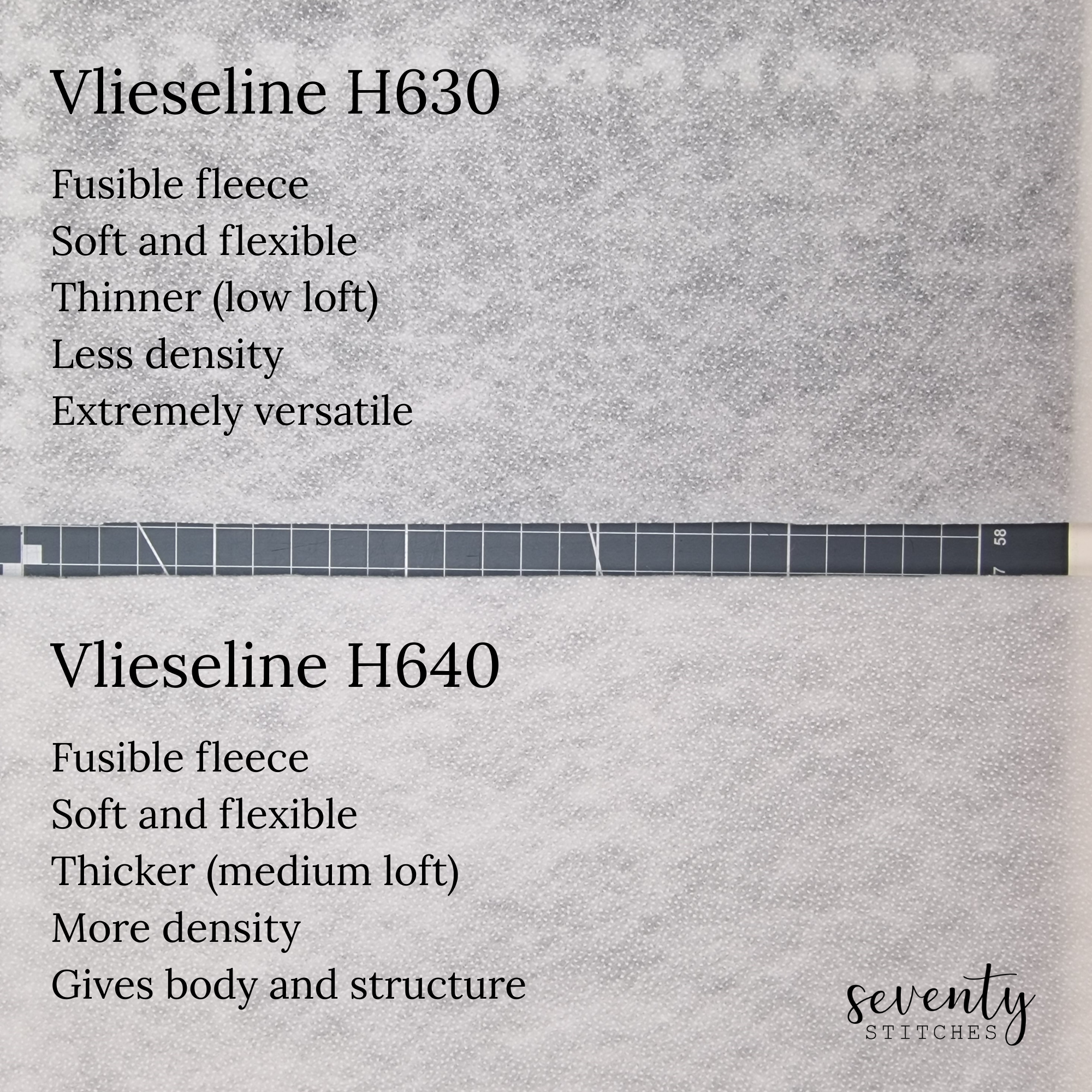
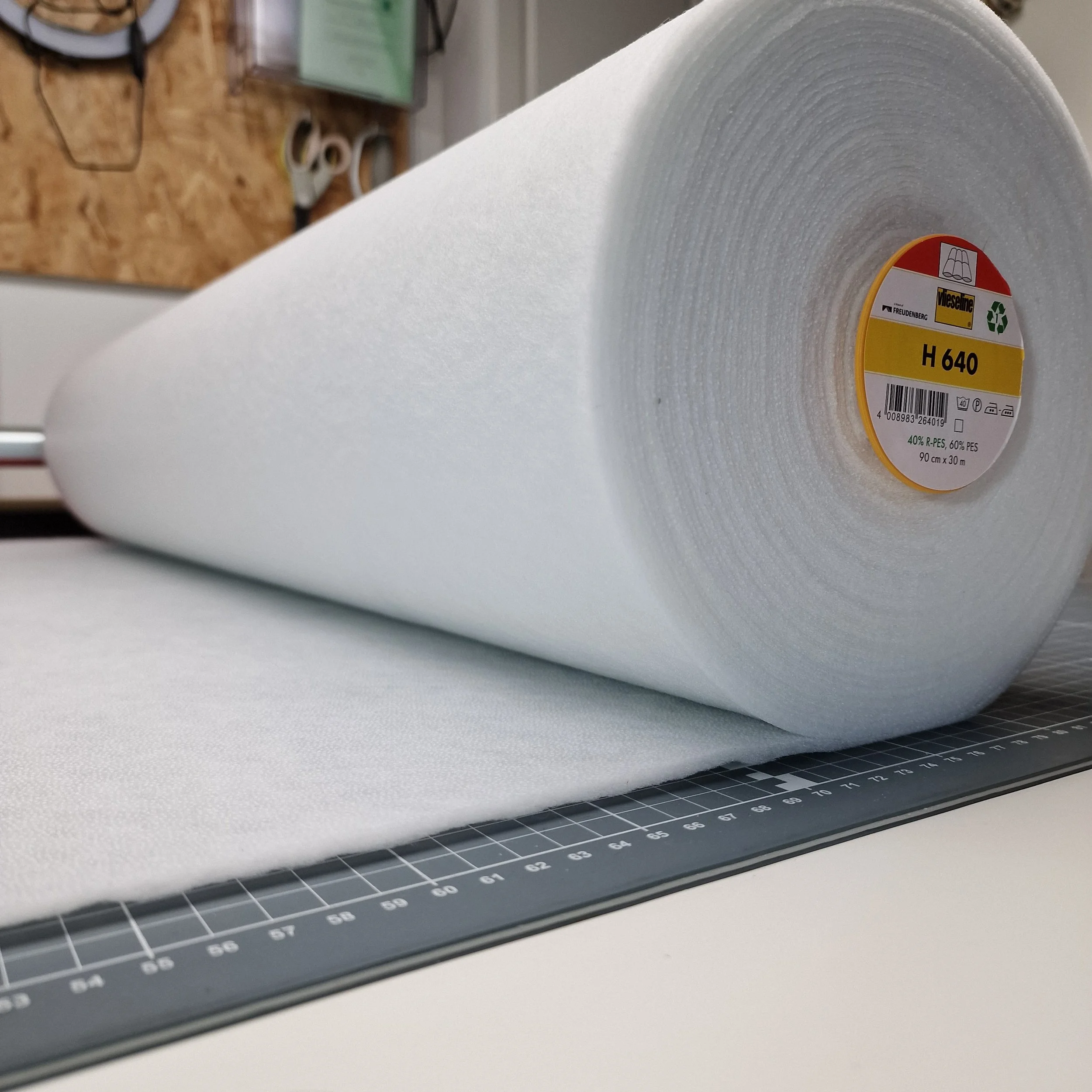
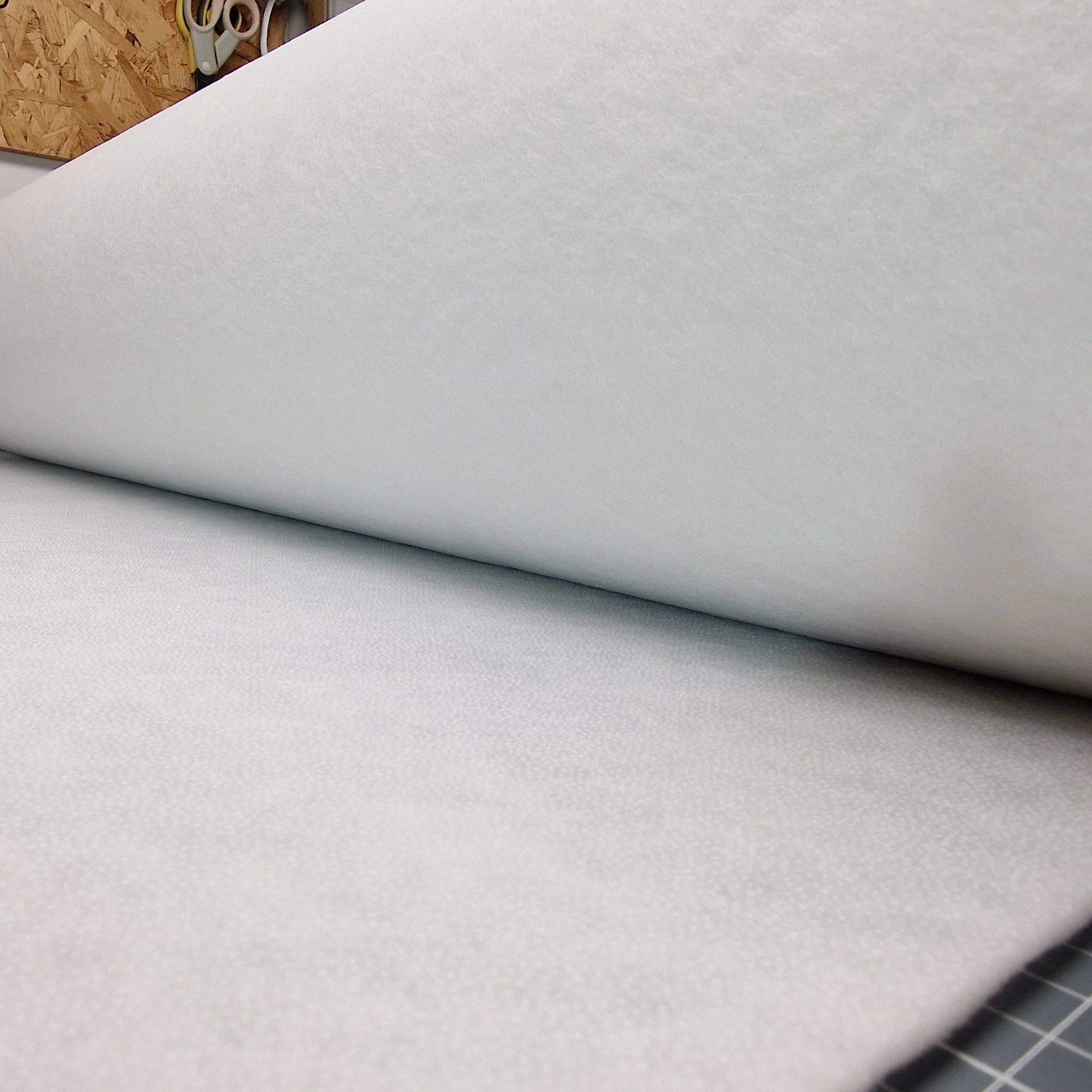
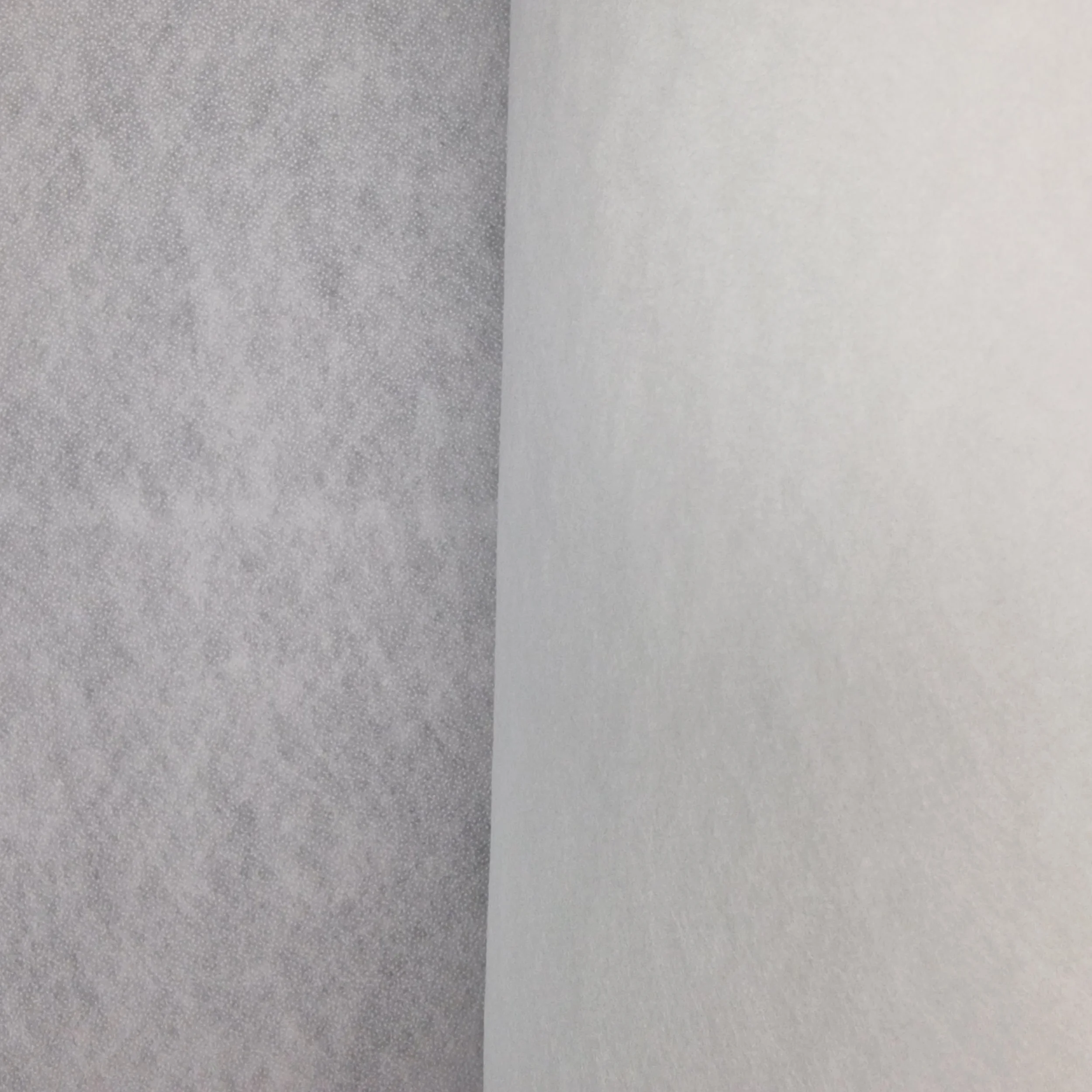
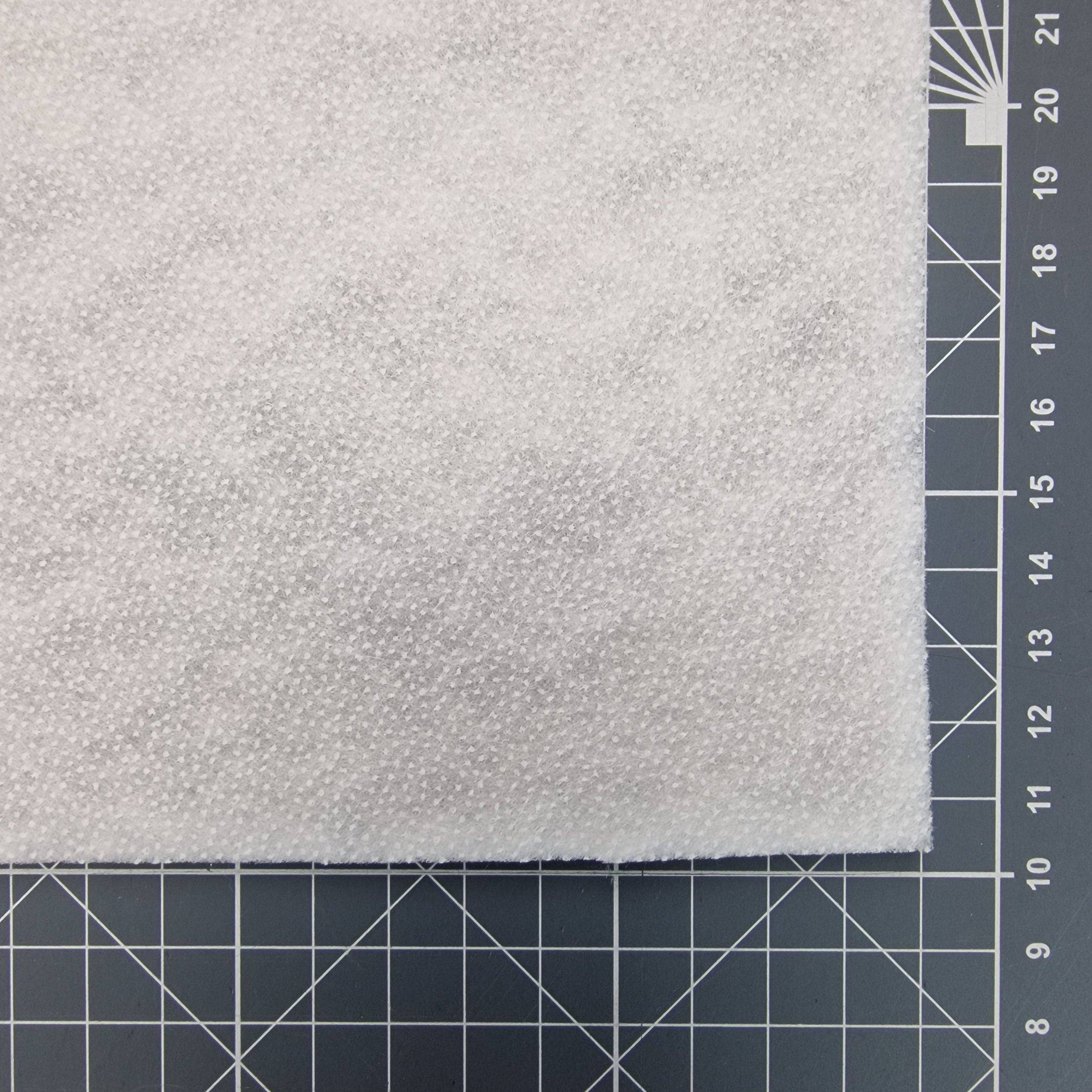
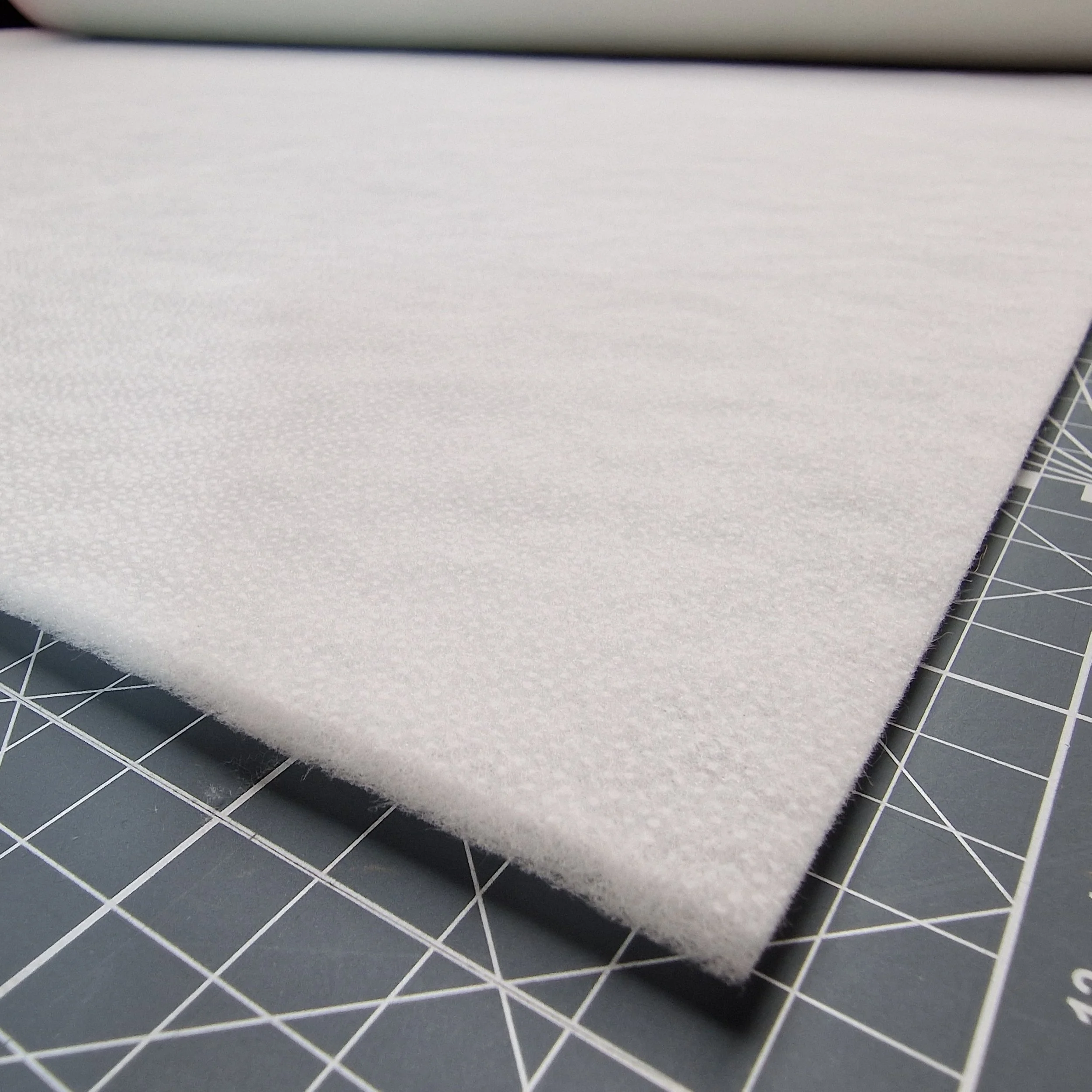
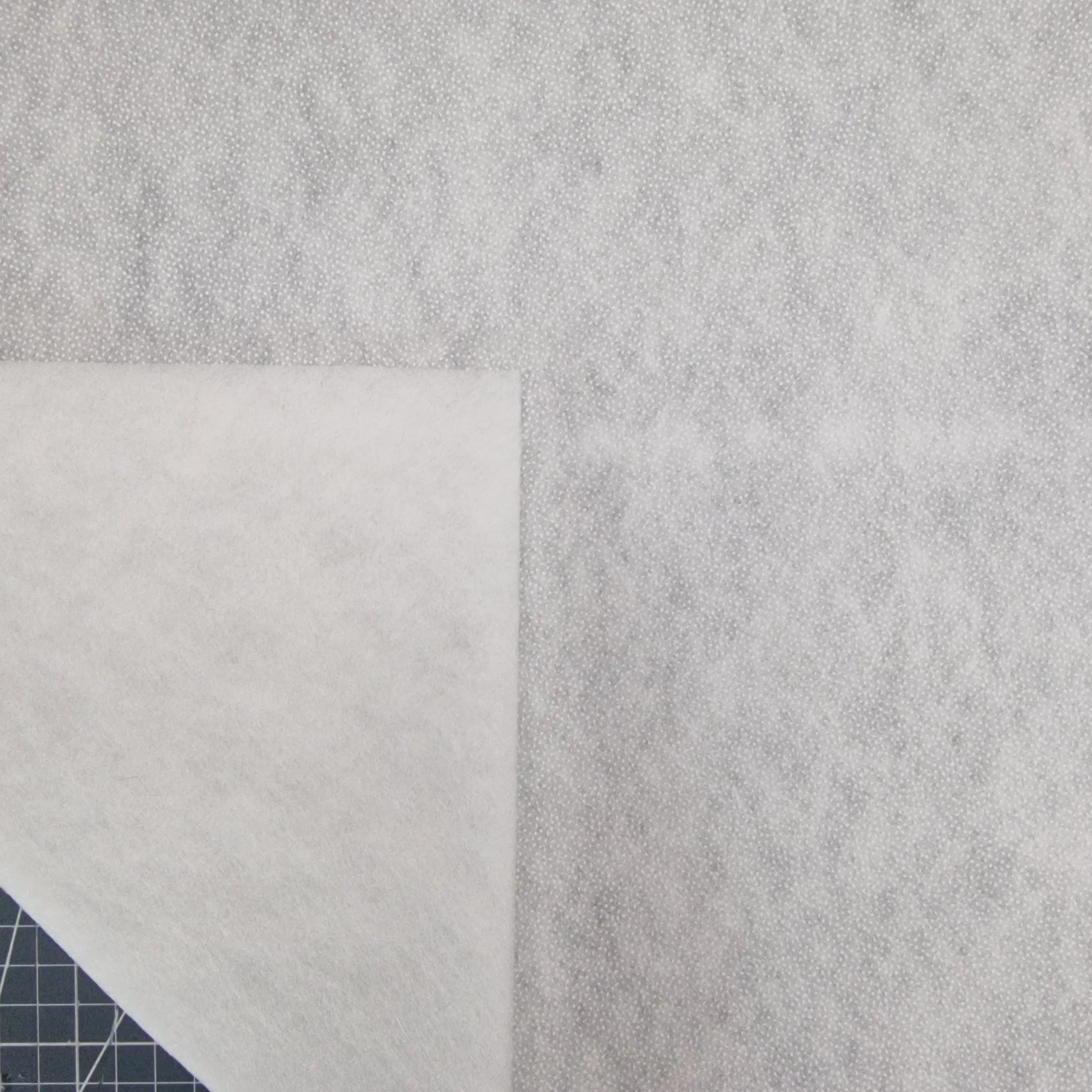
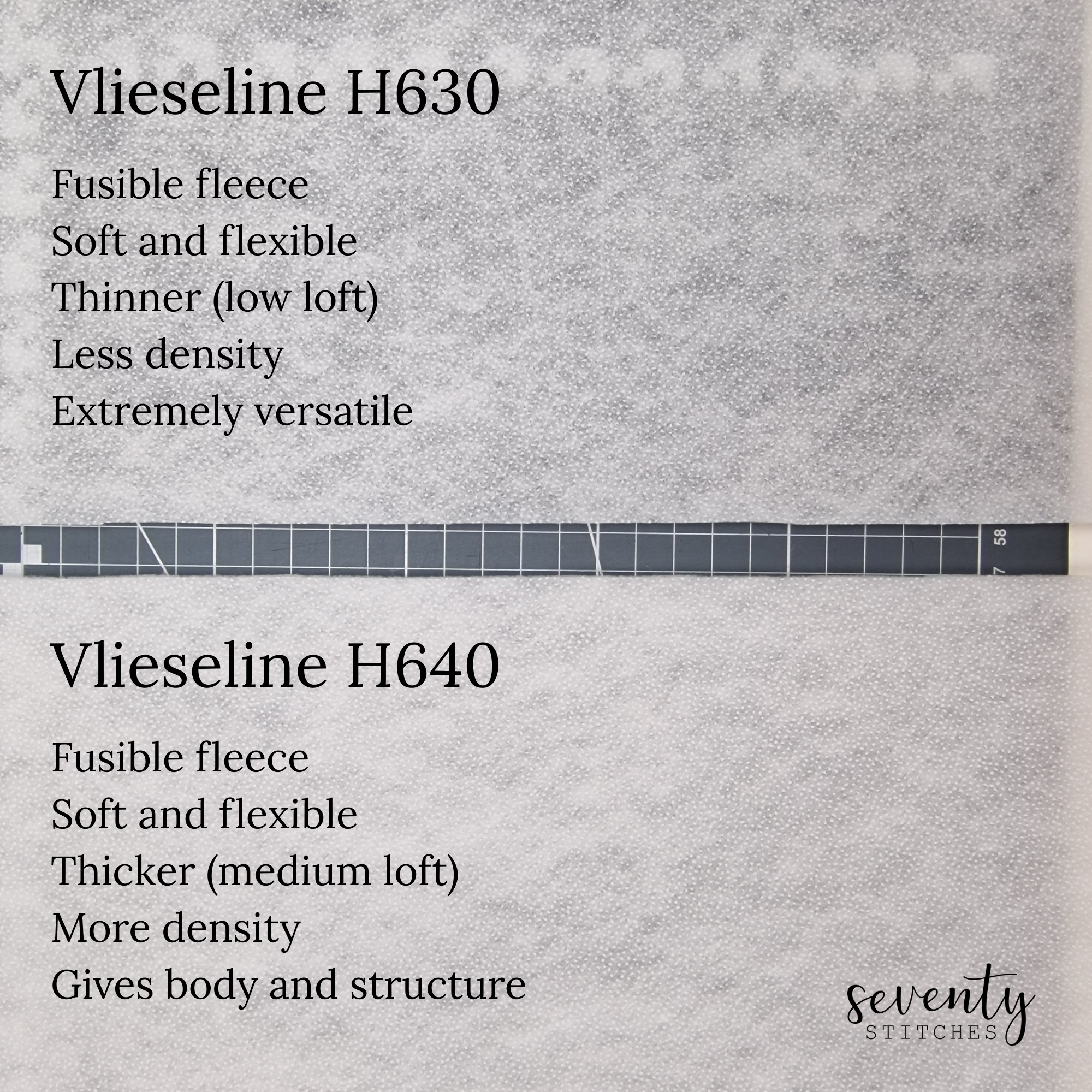
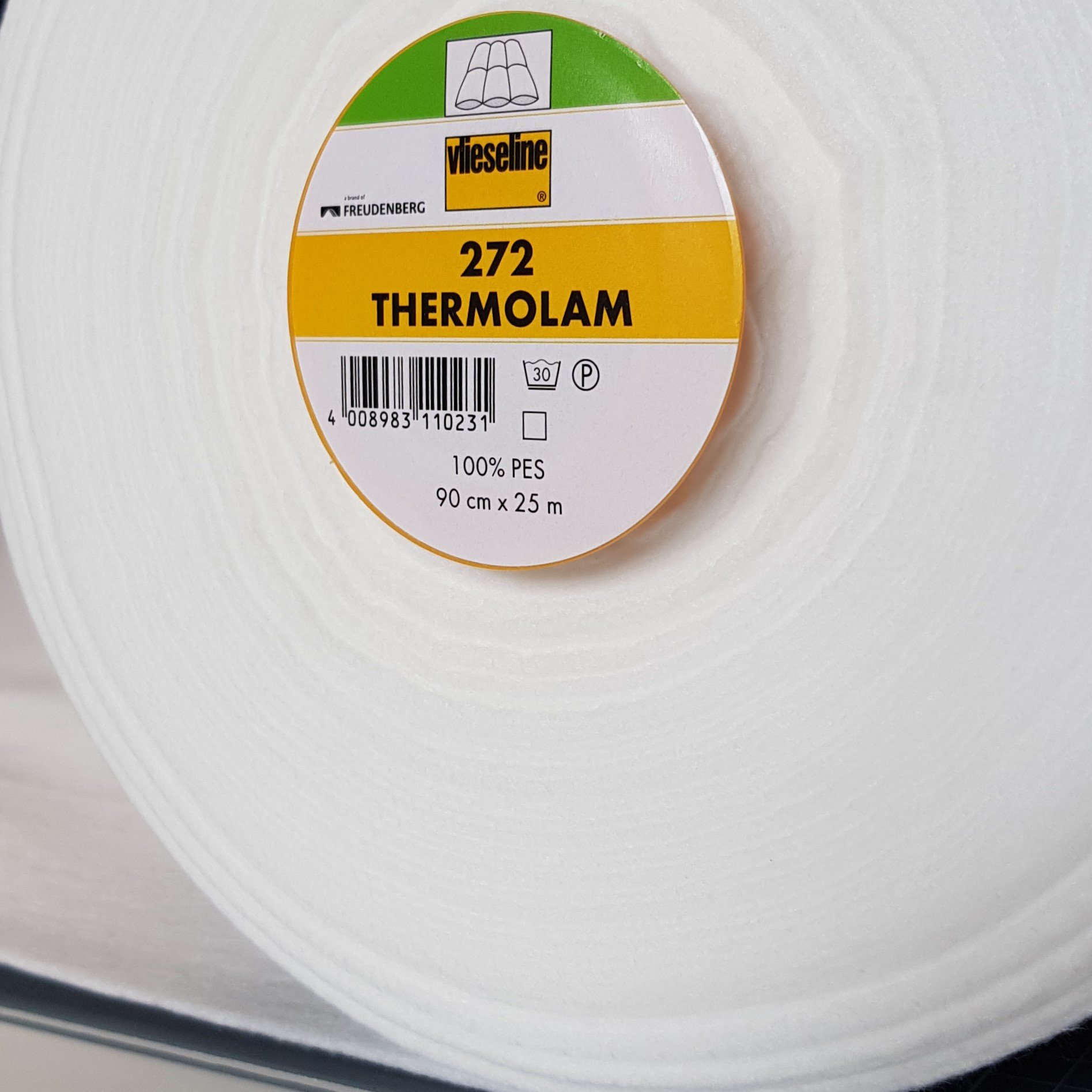
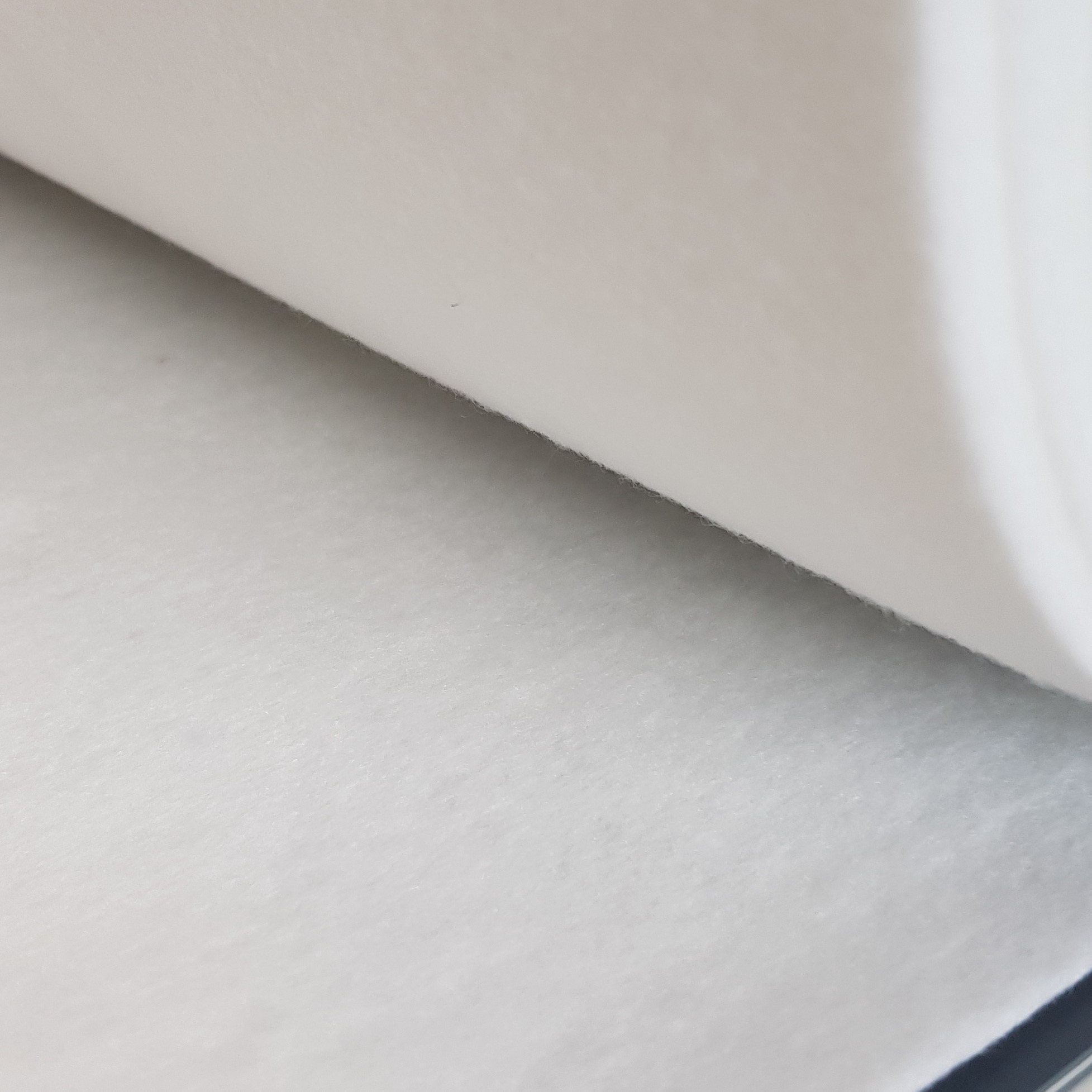
For quilted bags, choose a soft wadding that adds body without making the fabric too stiff, such as H640, Thermolam or Style-Vil Fix. Cotton or cotton-blend waddings, like Vlieseline 249 or 278 Soya Mix or 279 Cotton Mix, give a natural, soft look, while polyester waddings create a slightly puffier, more defined quilted effect.
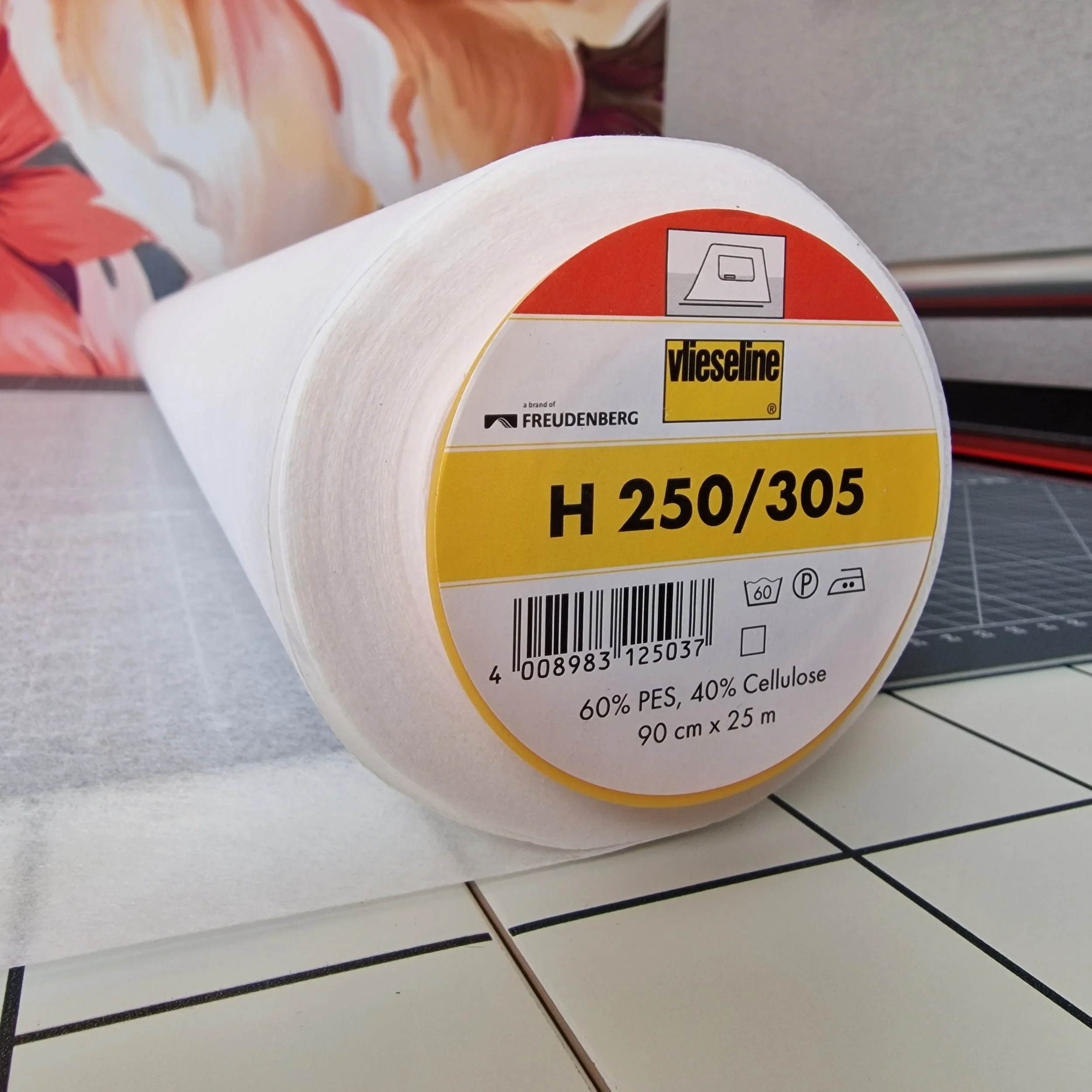
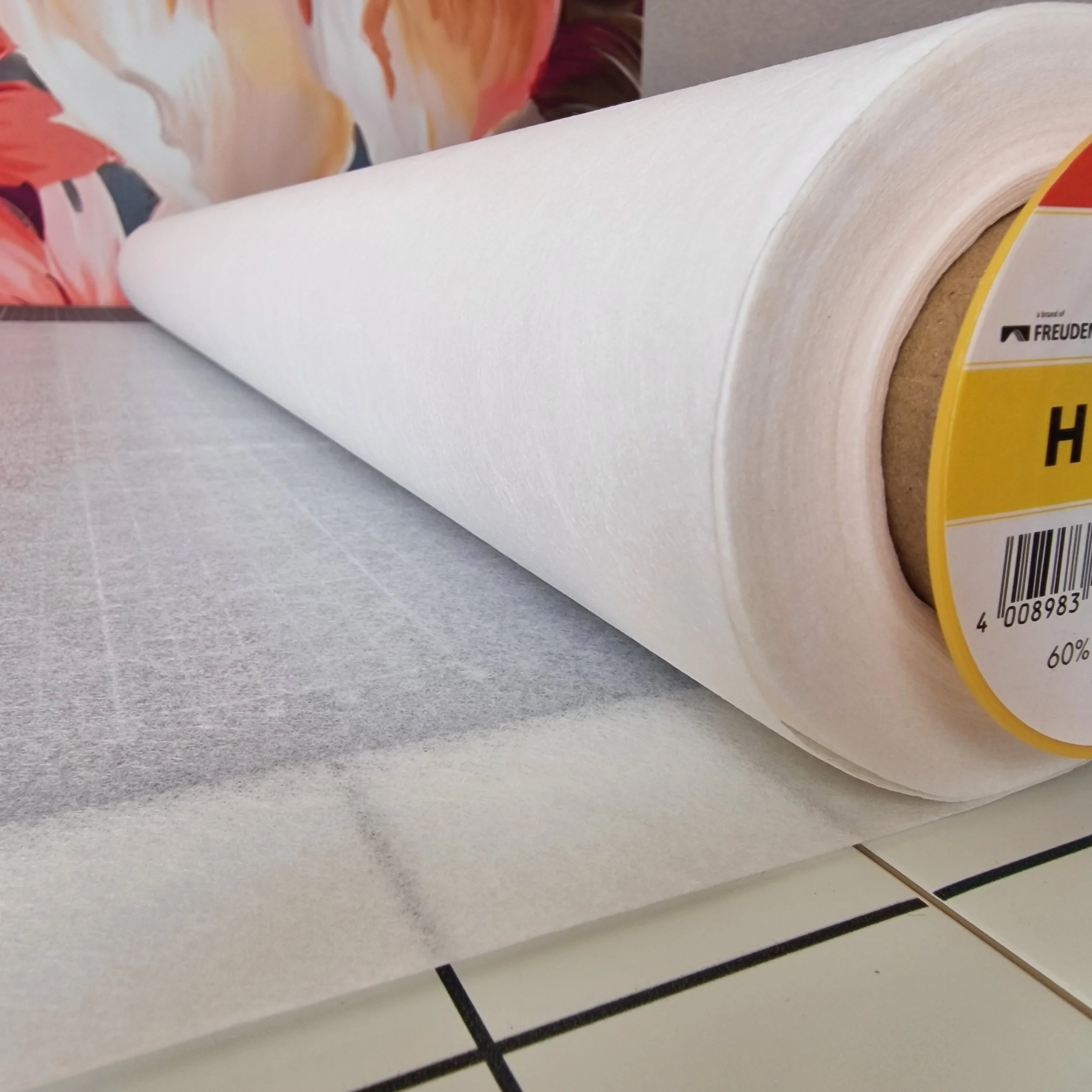
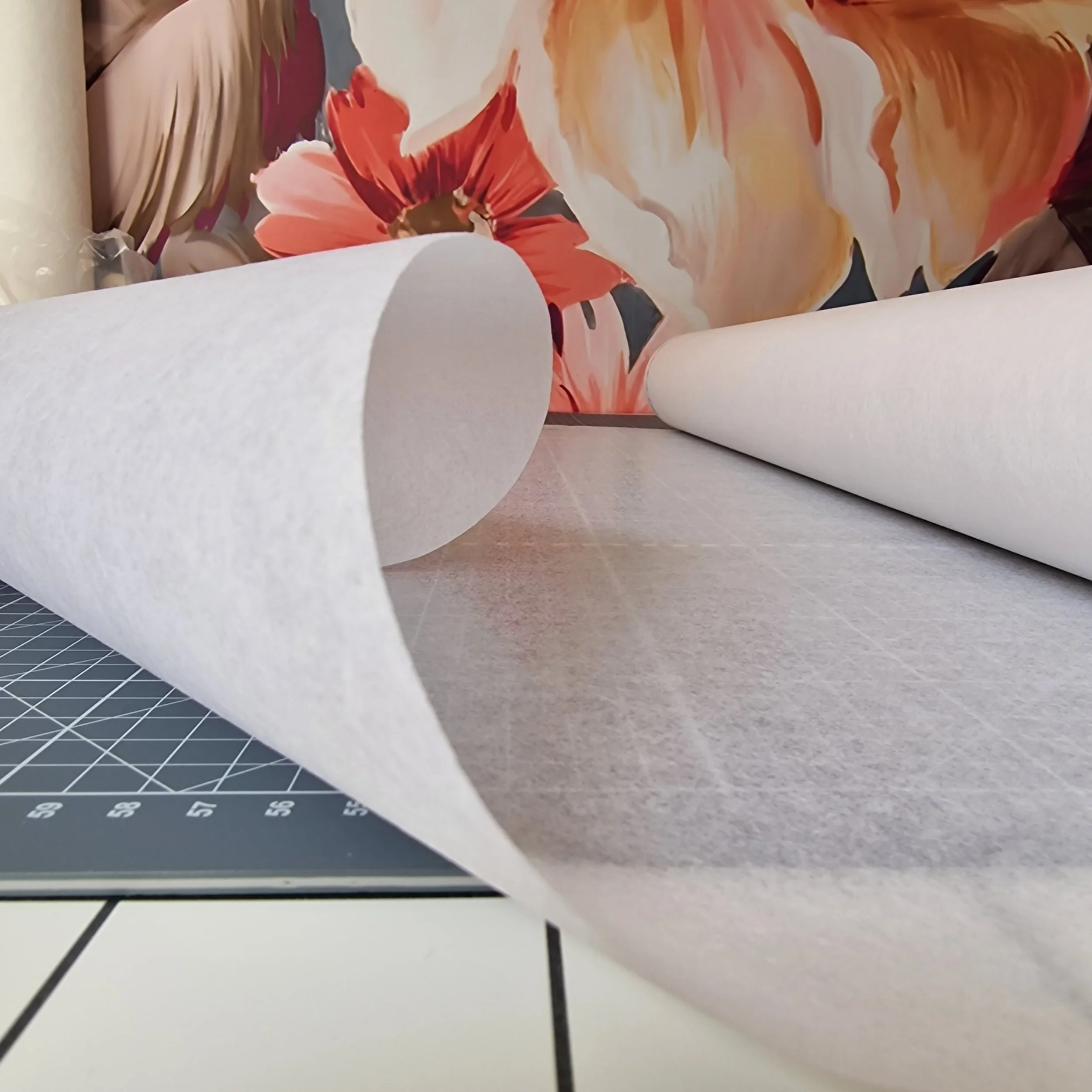
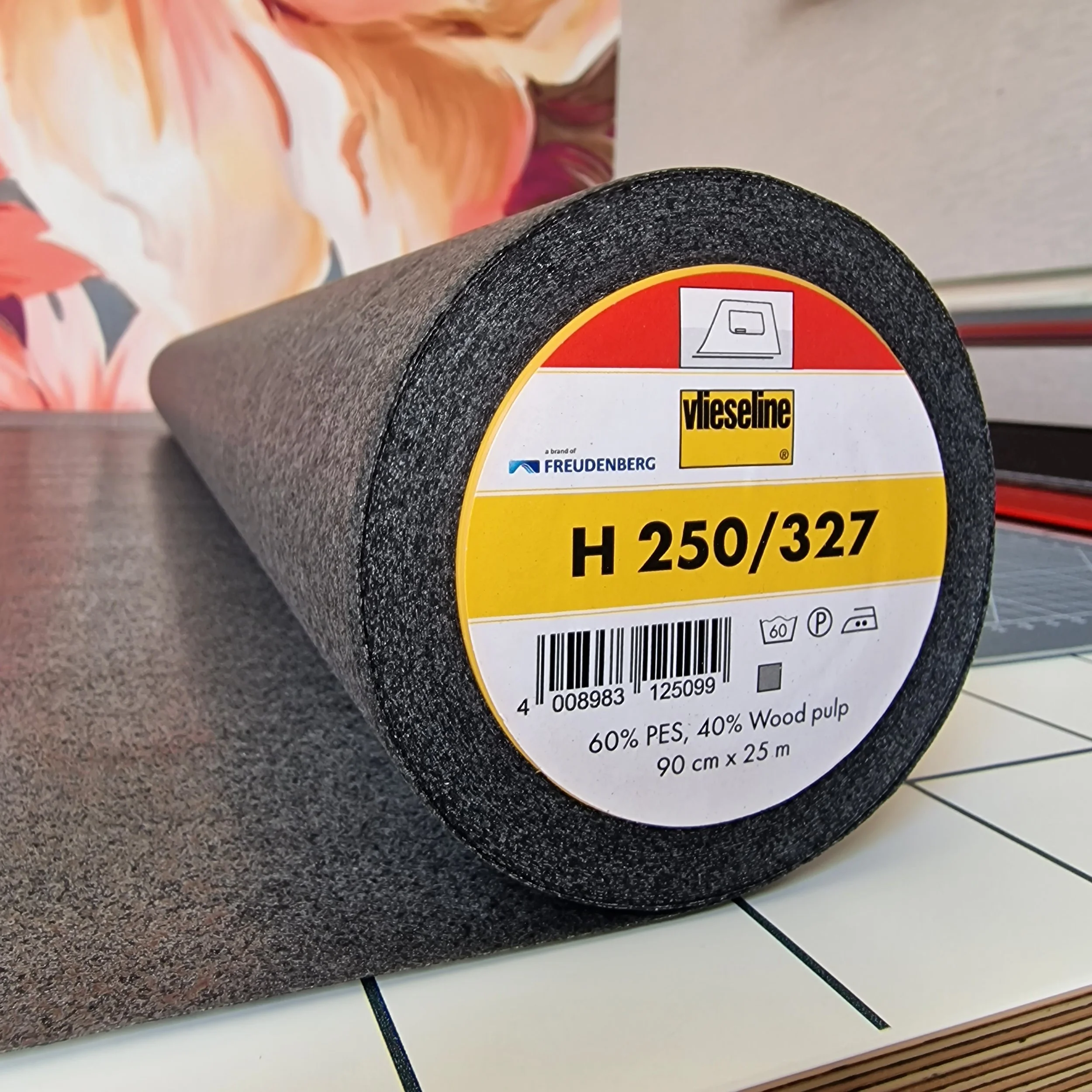
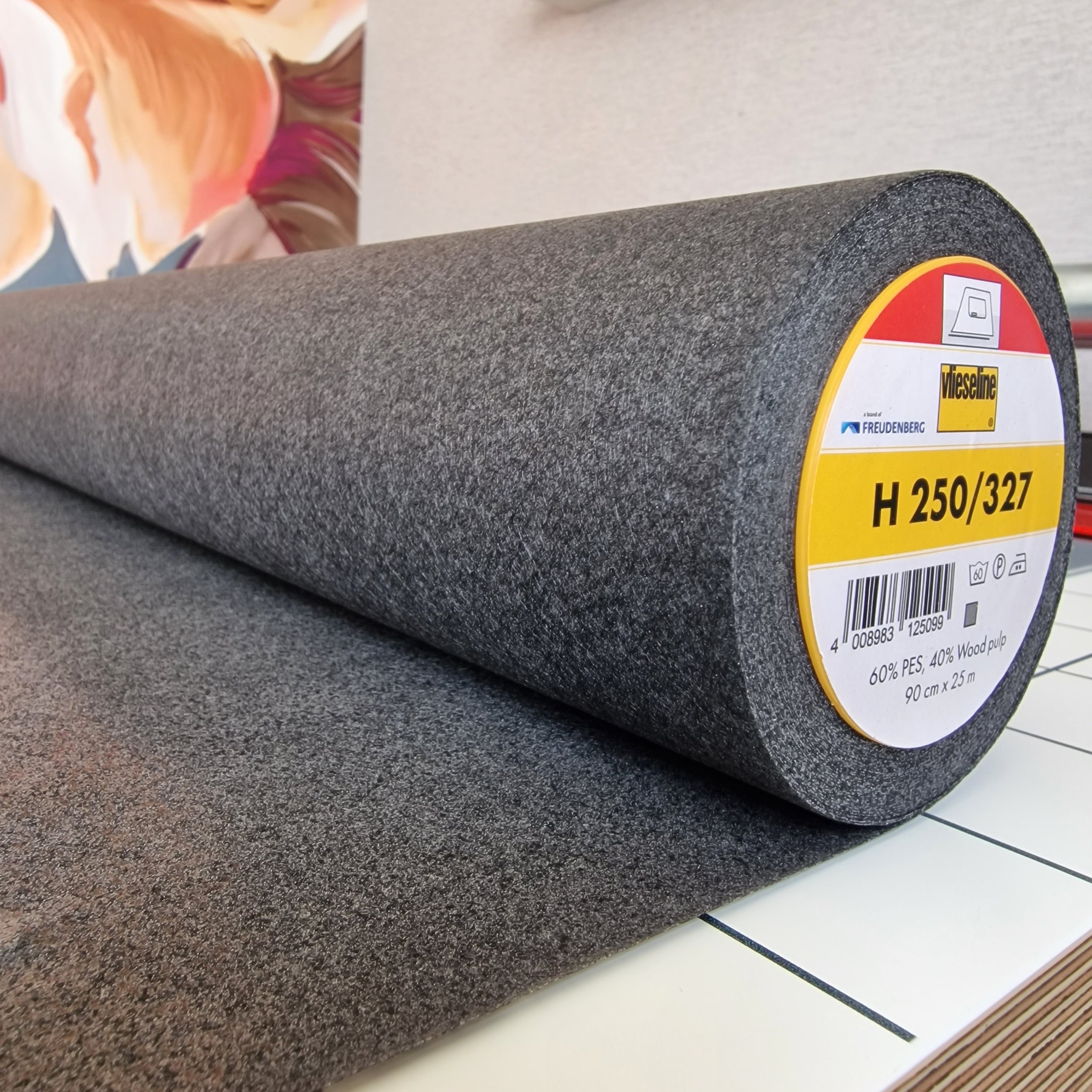
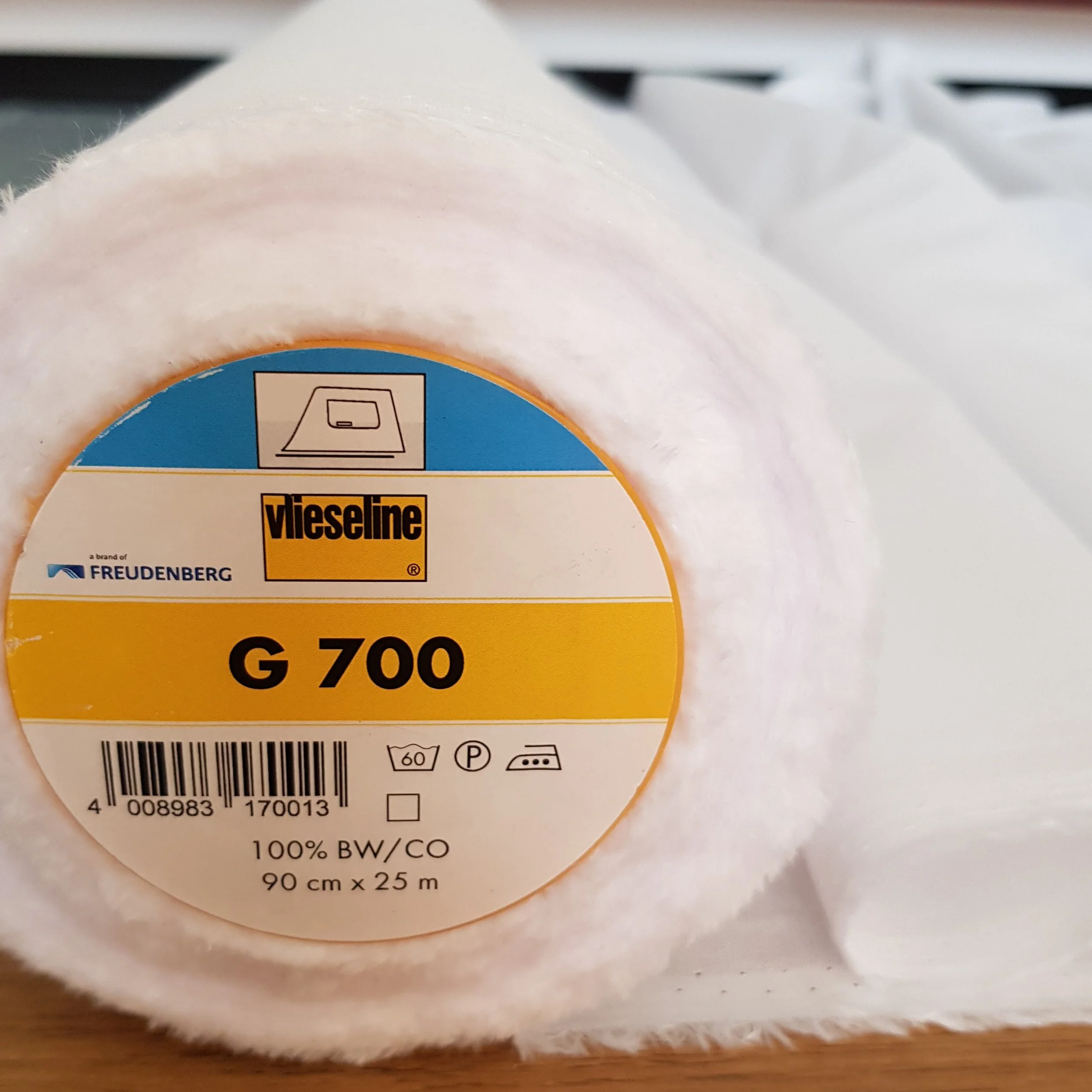
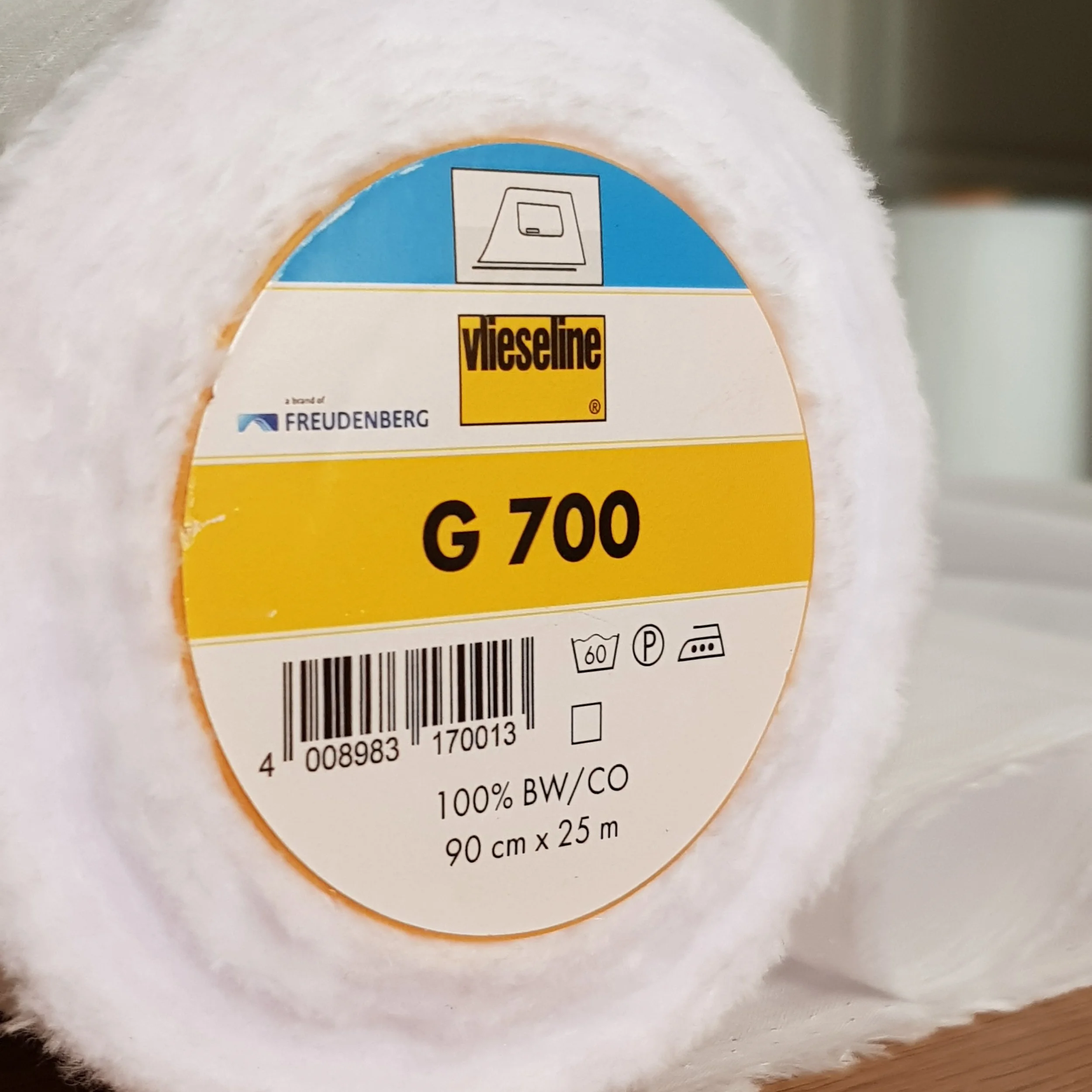
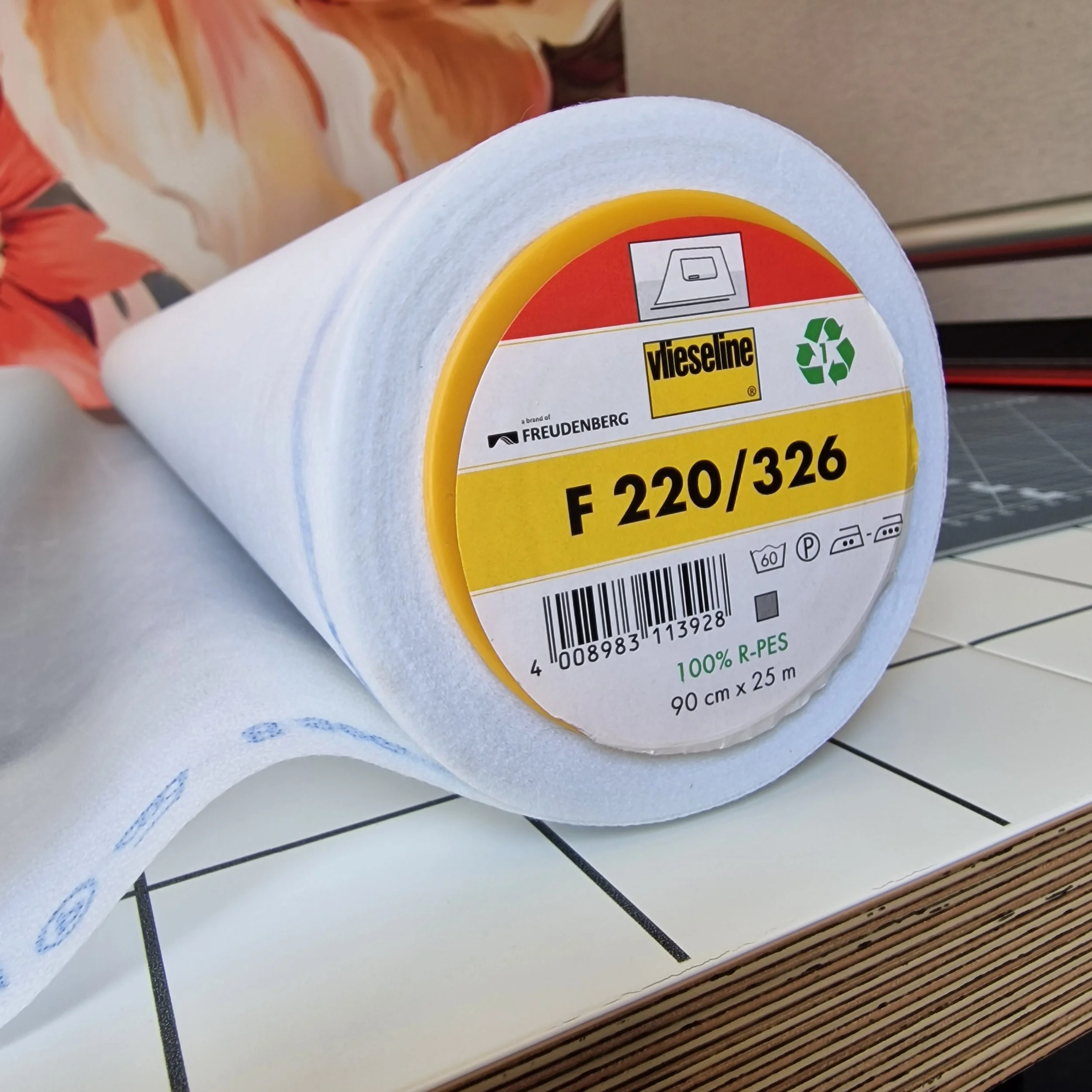
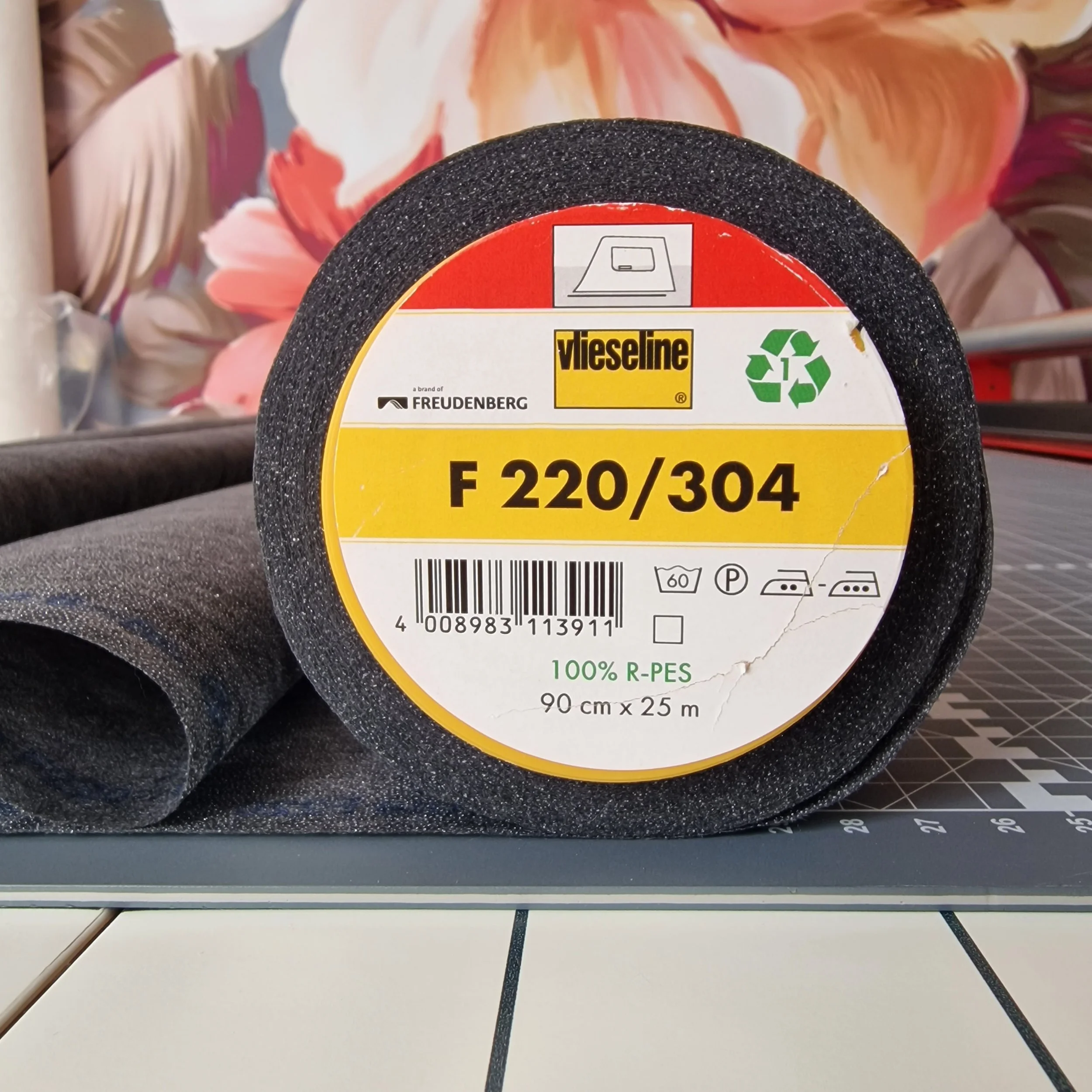
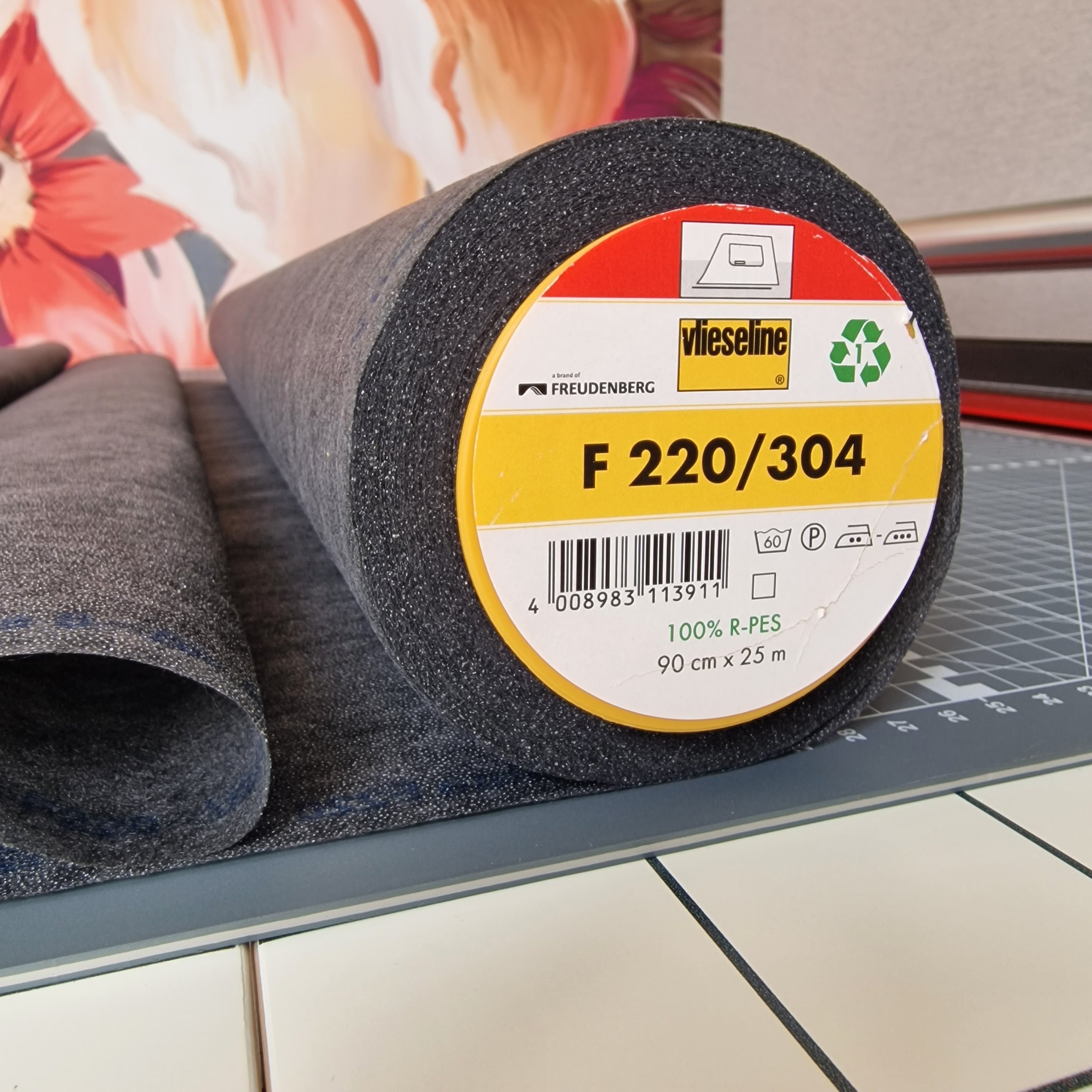
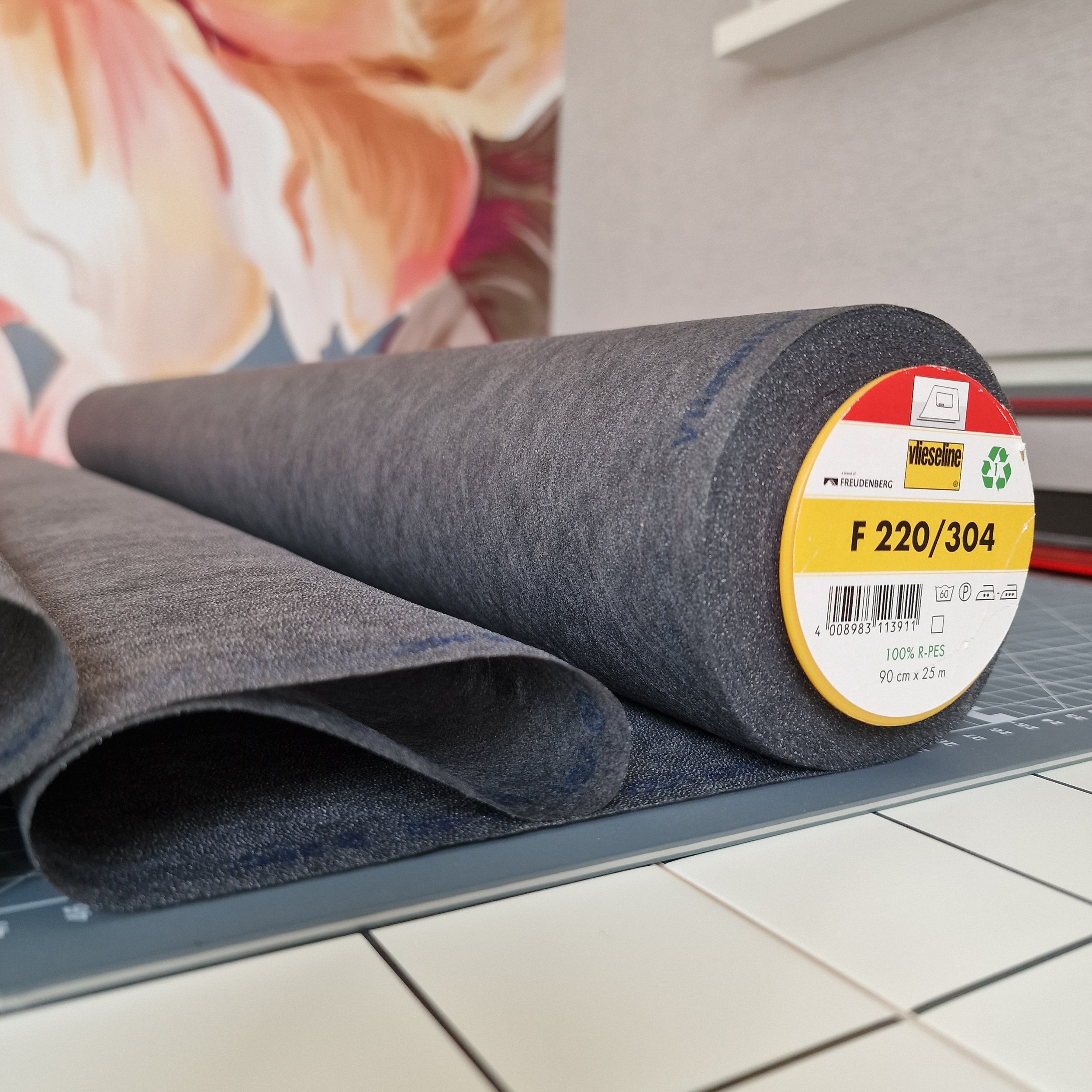
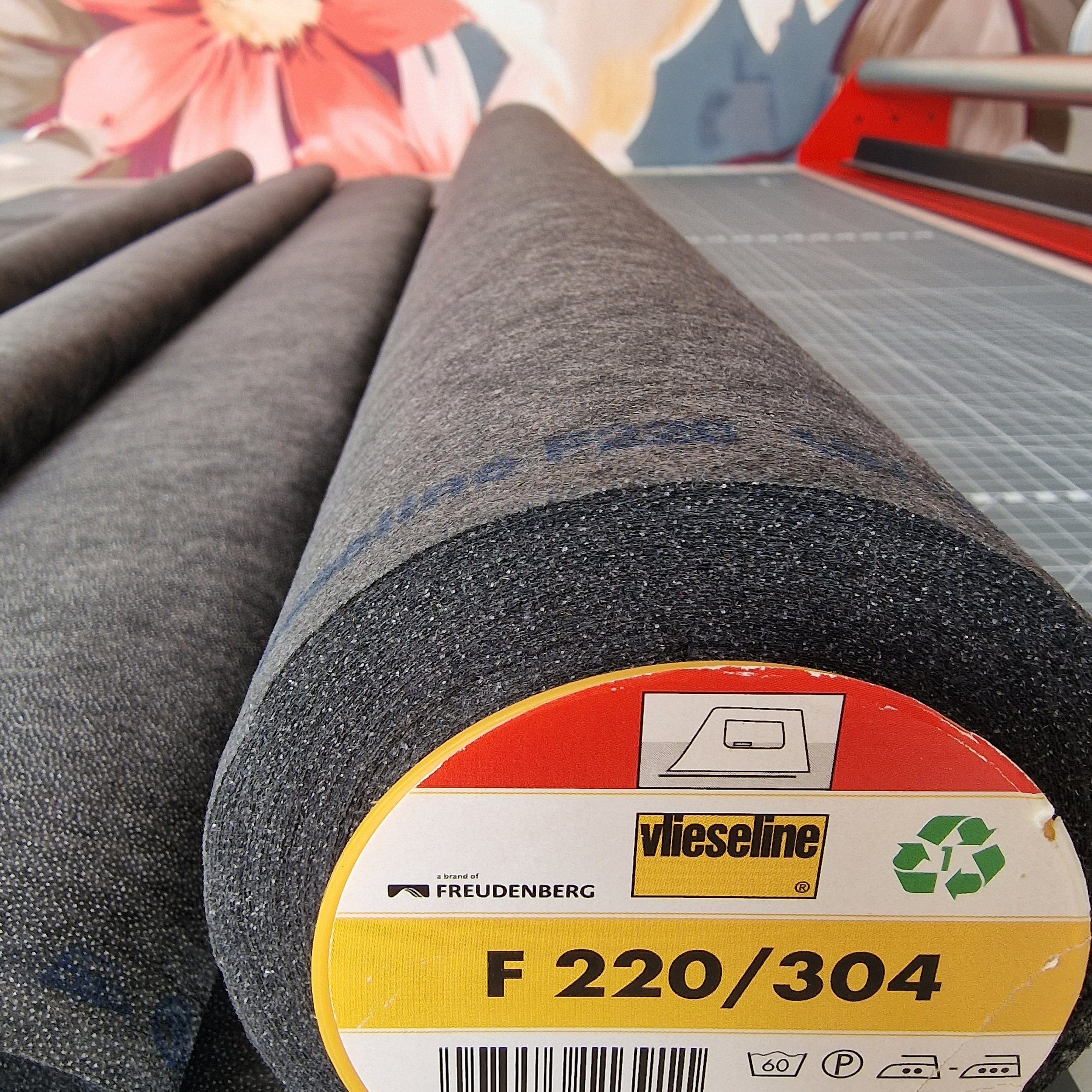
If you want a structured quilted bag, you can combine wadding with a light interfacing to add stability such as Vlieseline G700, F220 or H250.
-
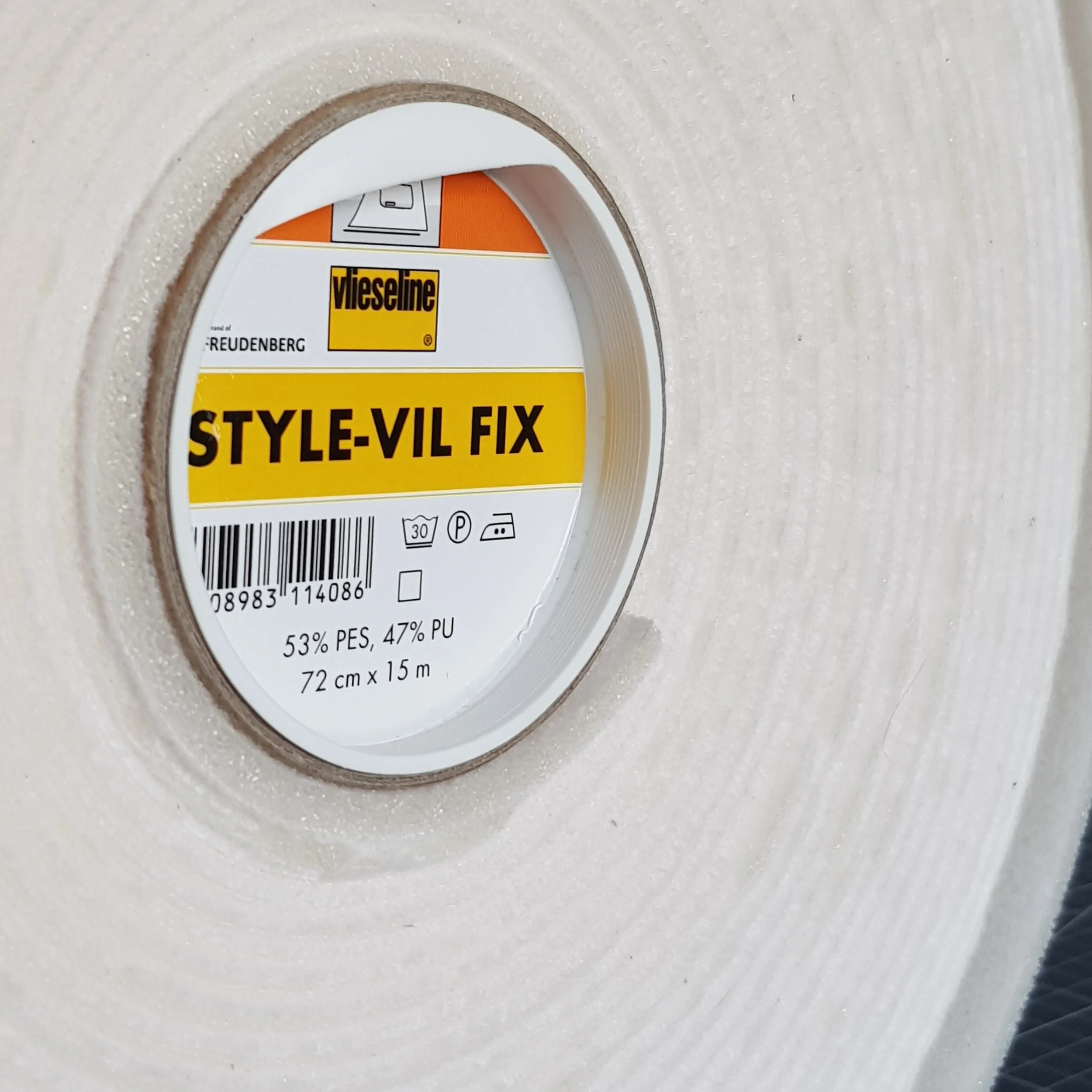
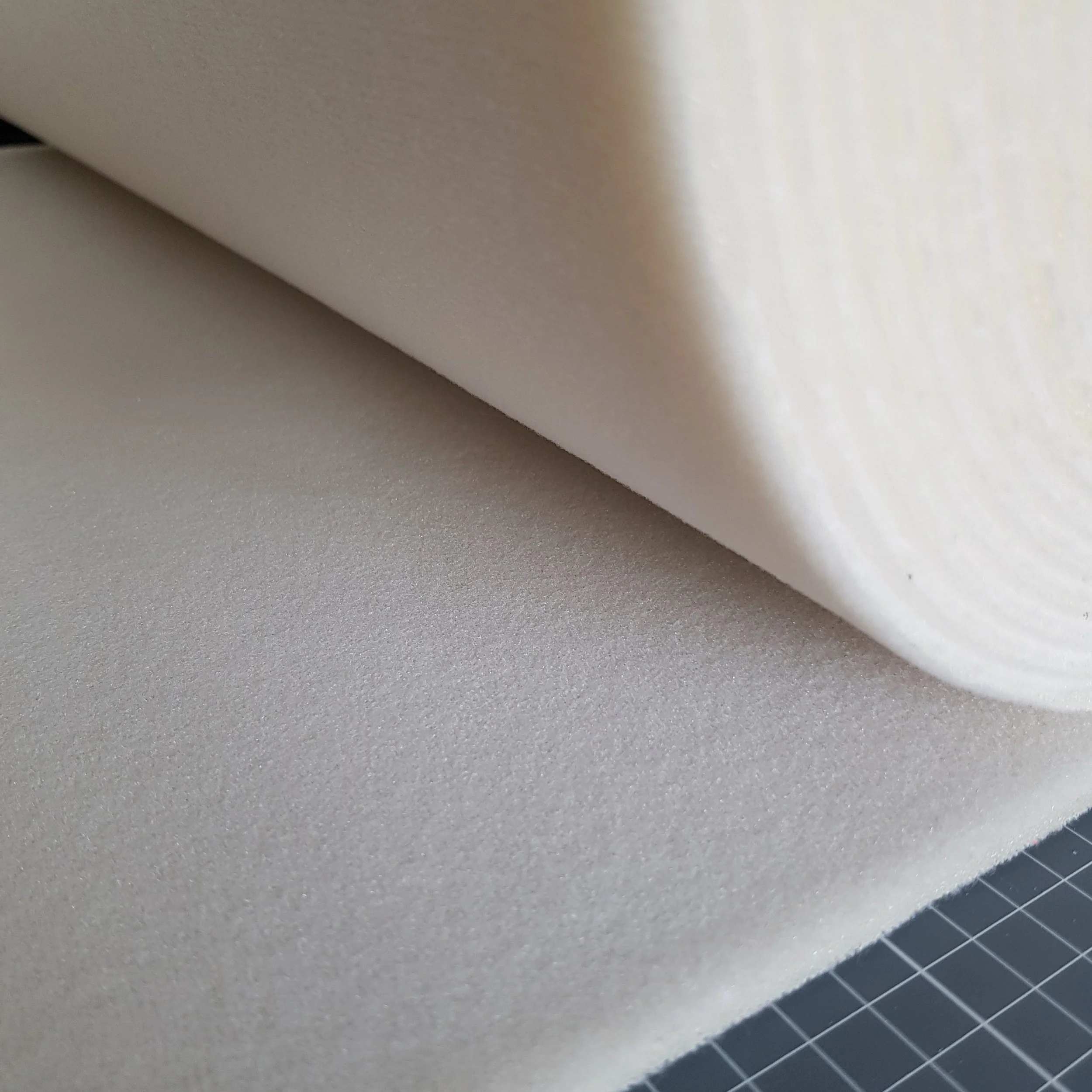
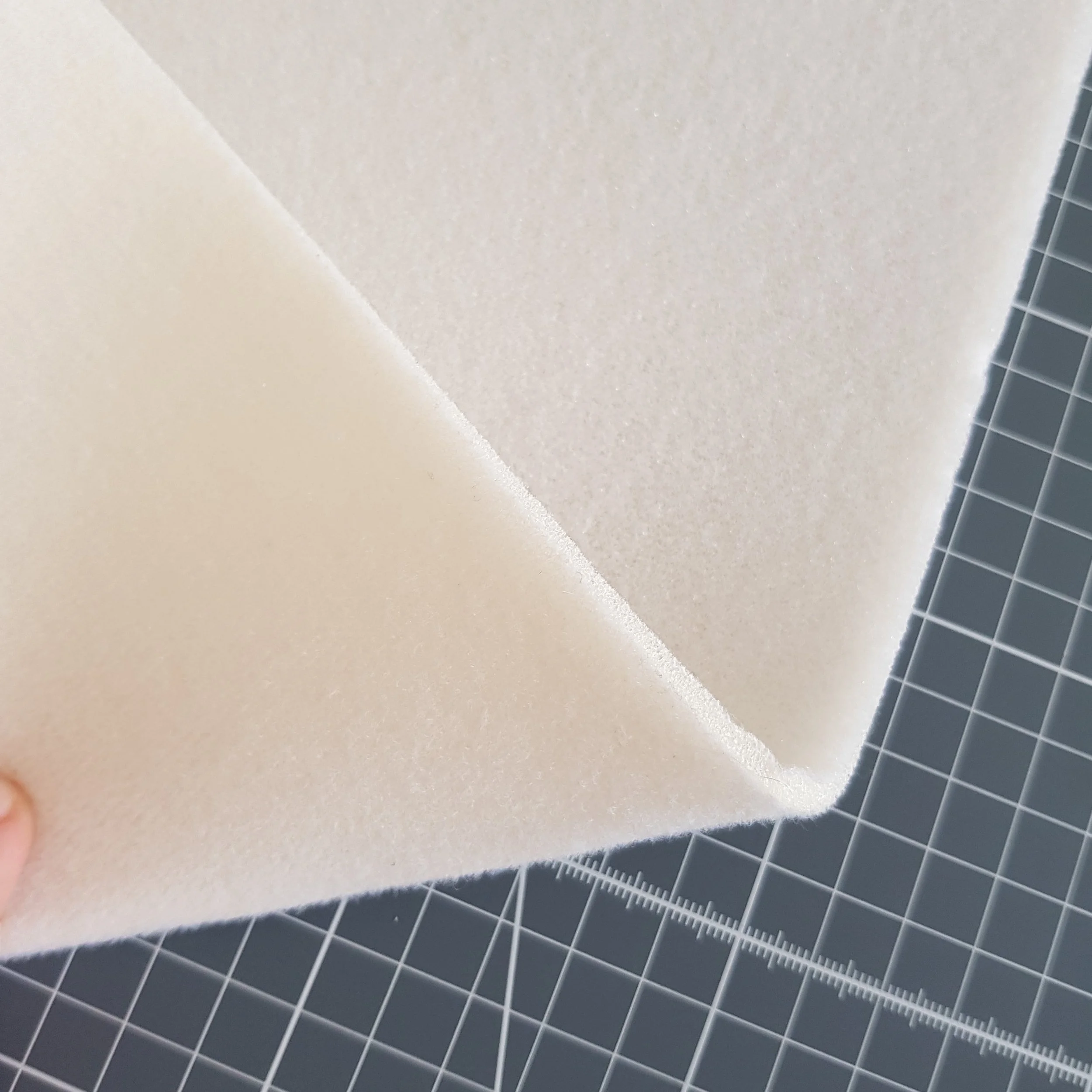
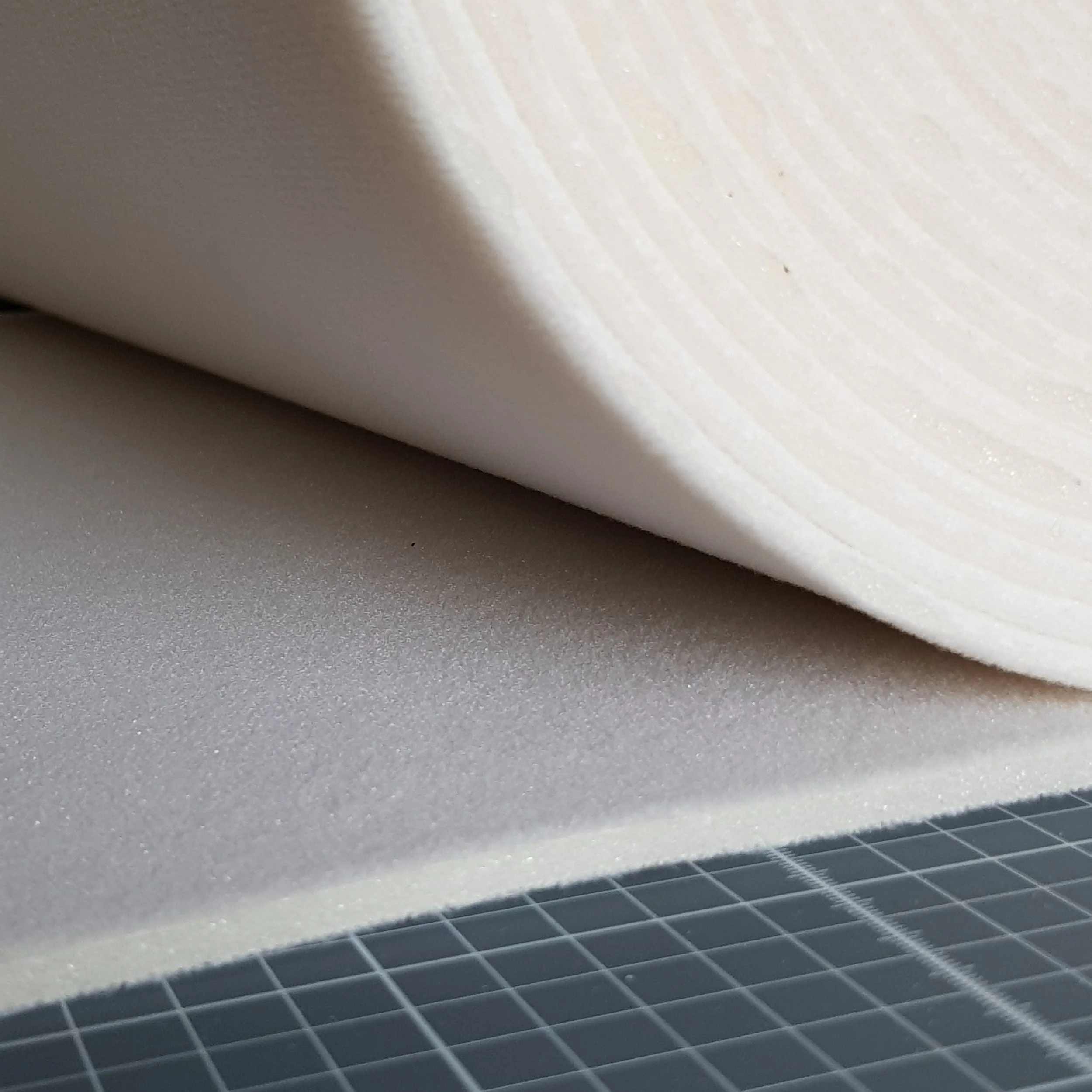
Best, first to go option would be foam stabiliser such as Style-Vil Fix which is usually enough for structure and softness.
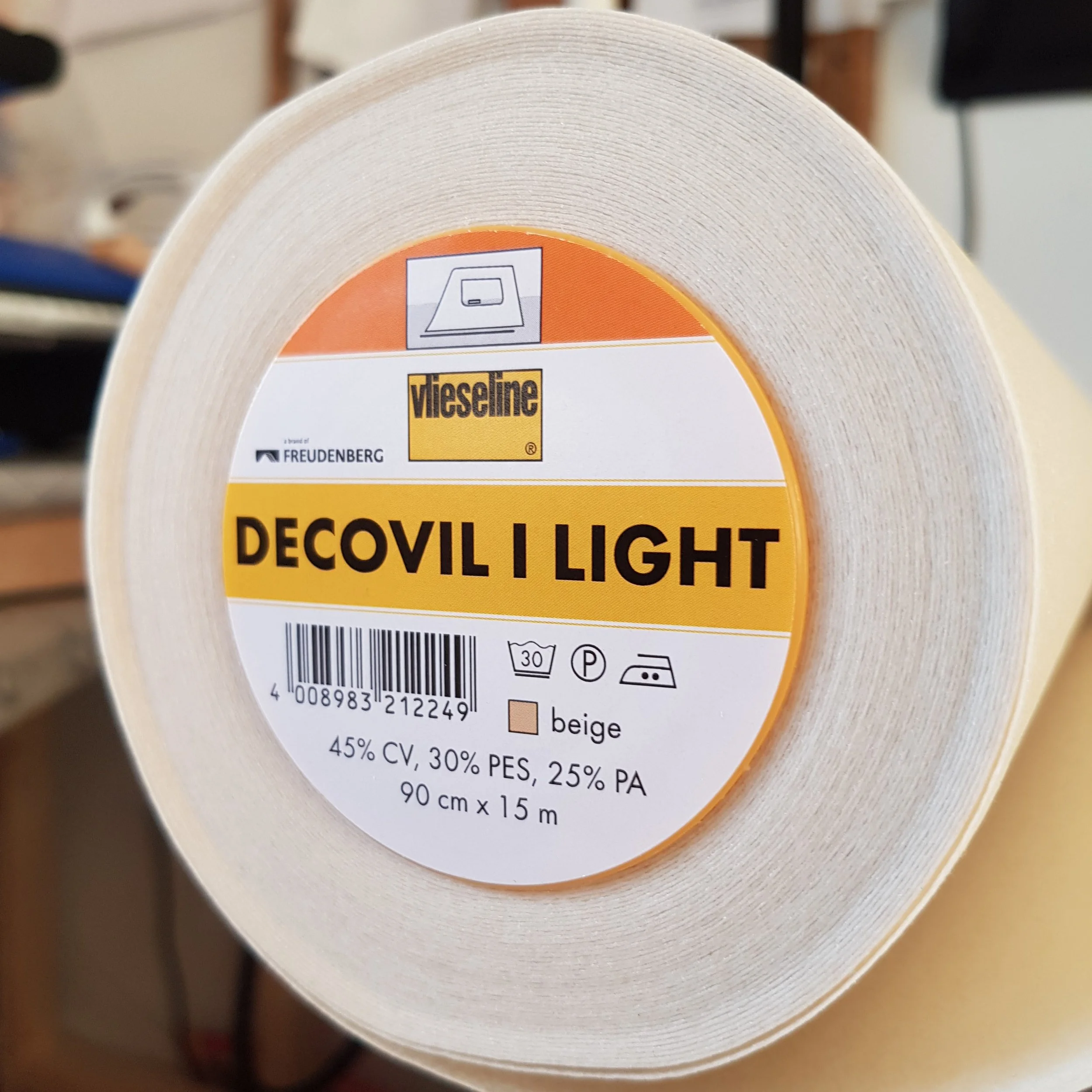
To achieve both structure and softness, alternatively, you can use a combination of materials: medium-to-heavy interfacing such as G700, Decovil 1 Light (will give your bag shape), and a layer of wadding (like H640 or Thermolam) to add softness and a more padded feel.
This combination is ideal for bags that need to hold their shape but not feel rigid.
-
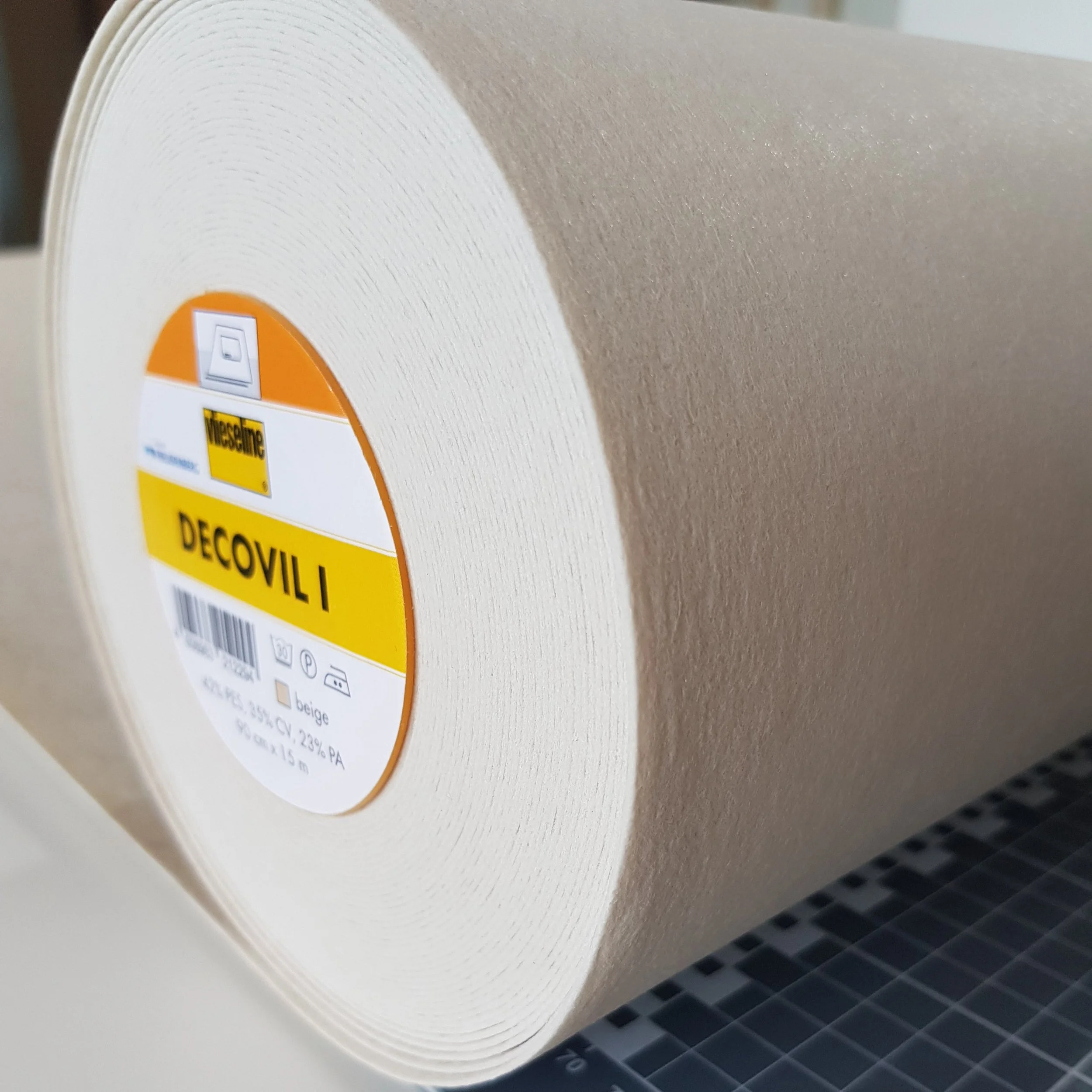
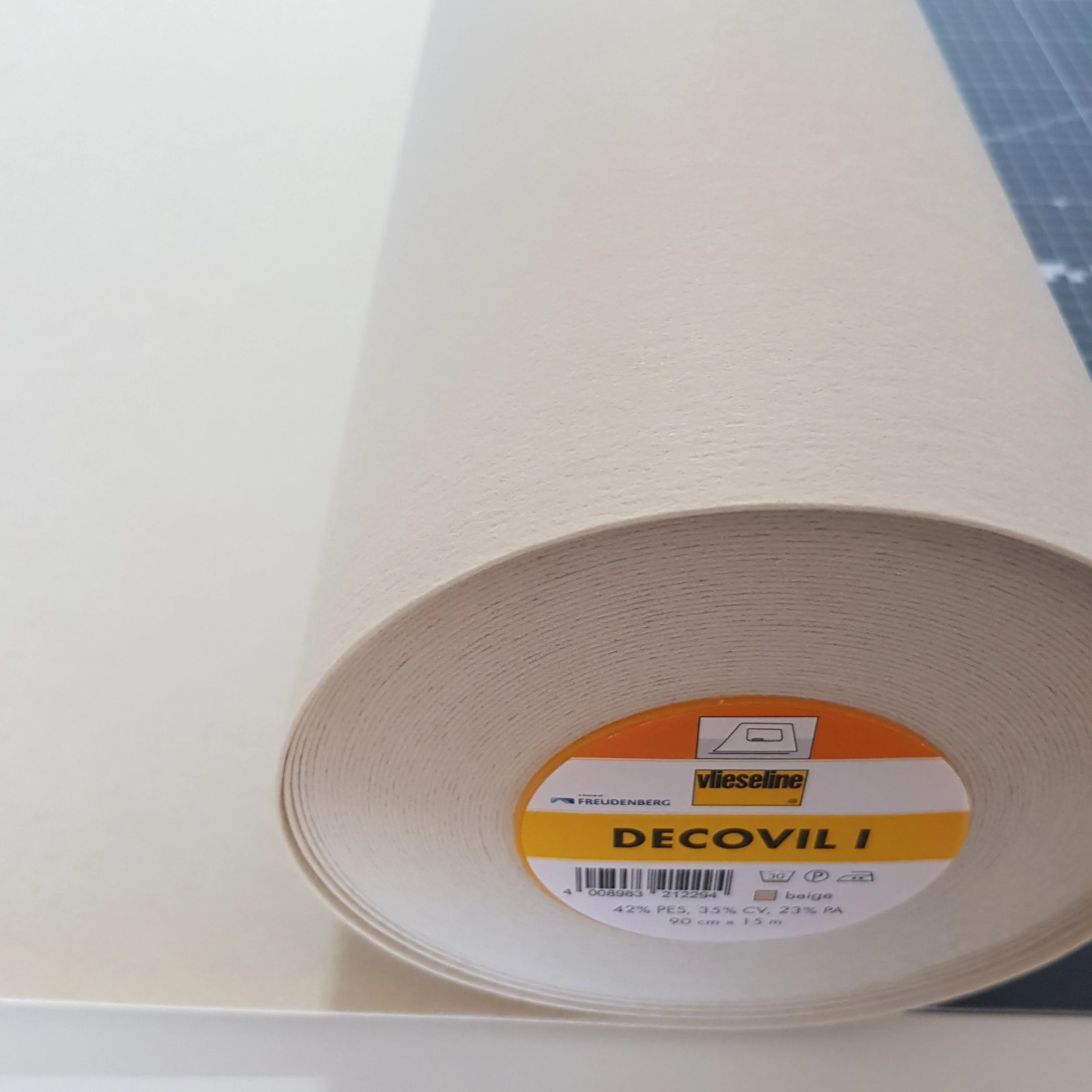
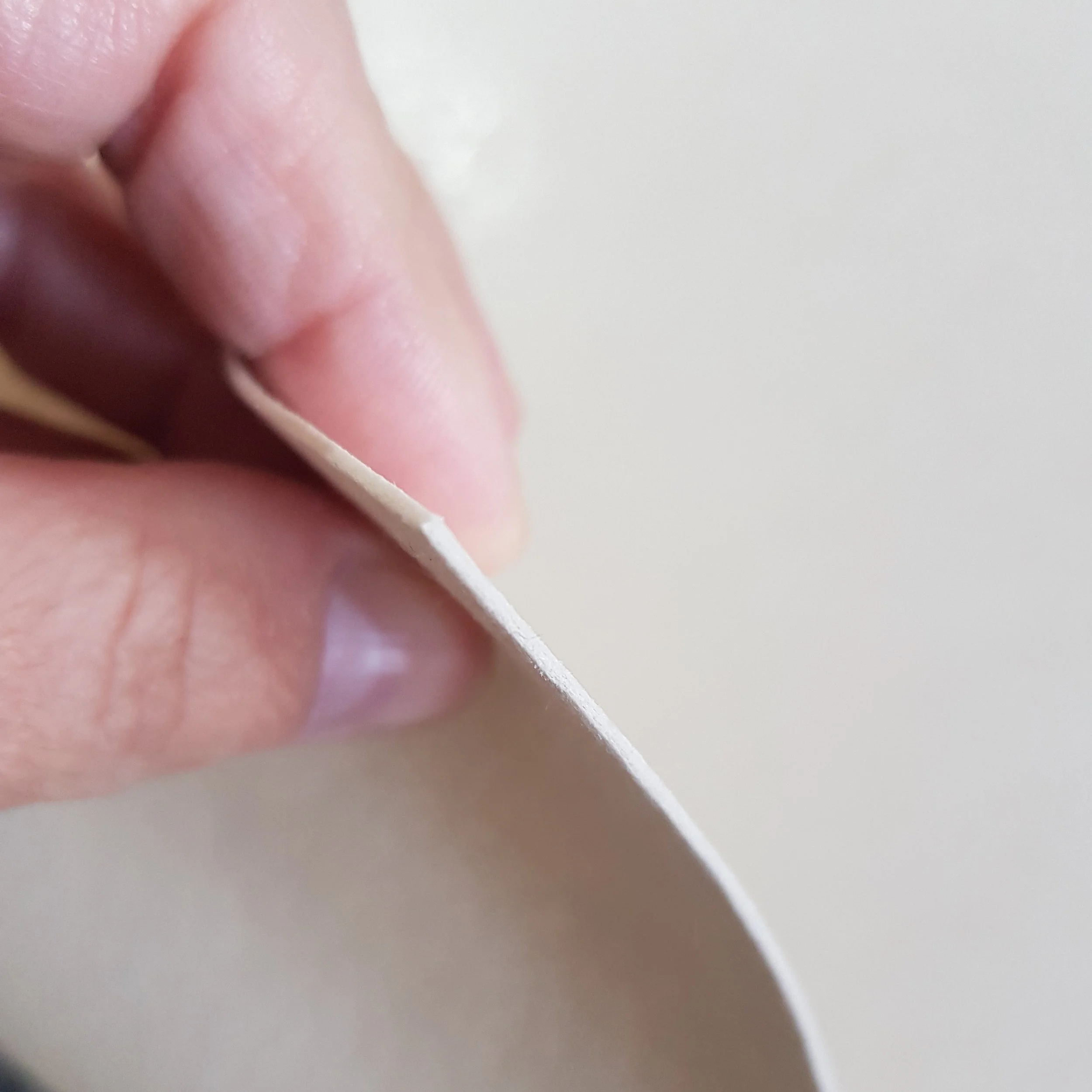
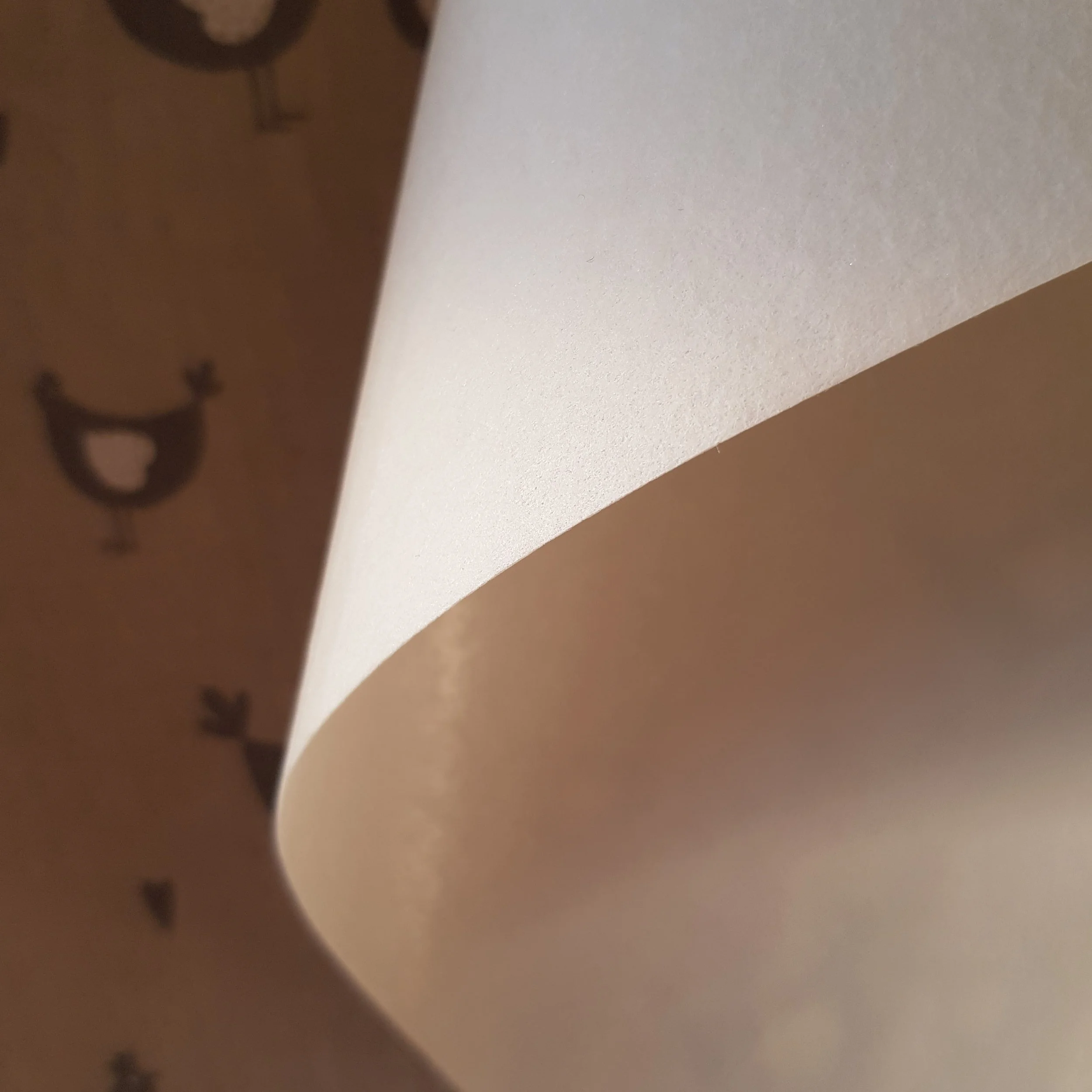
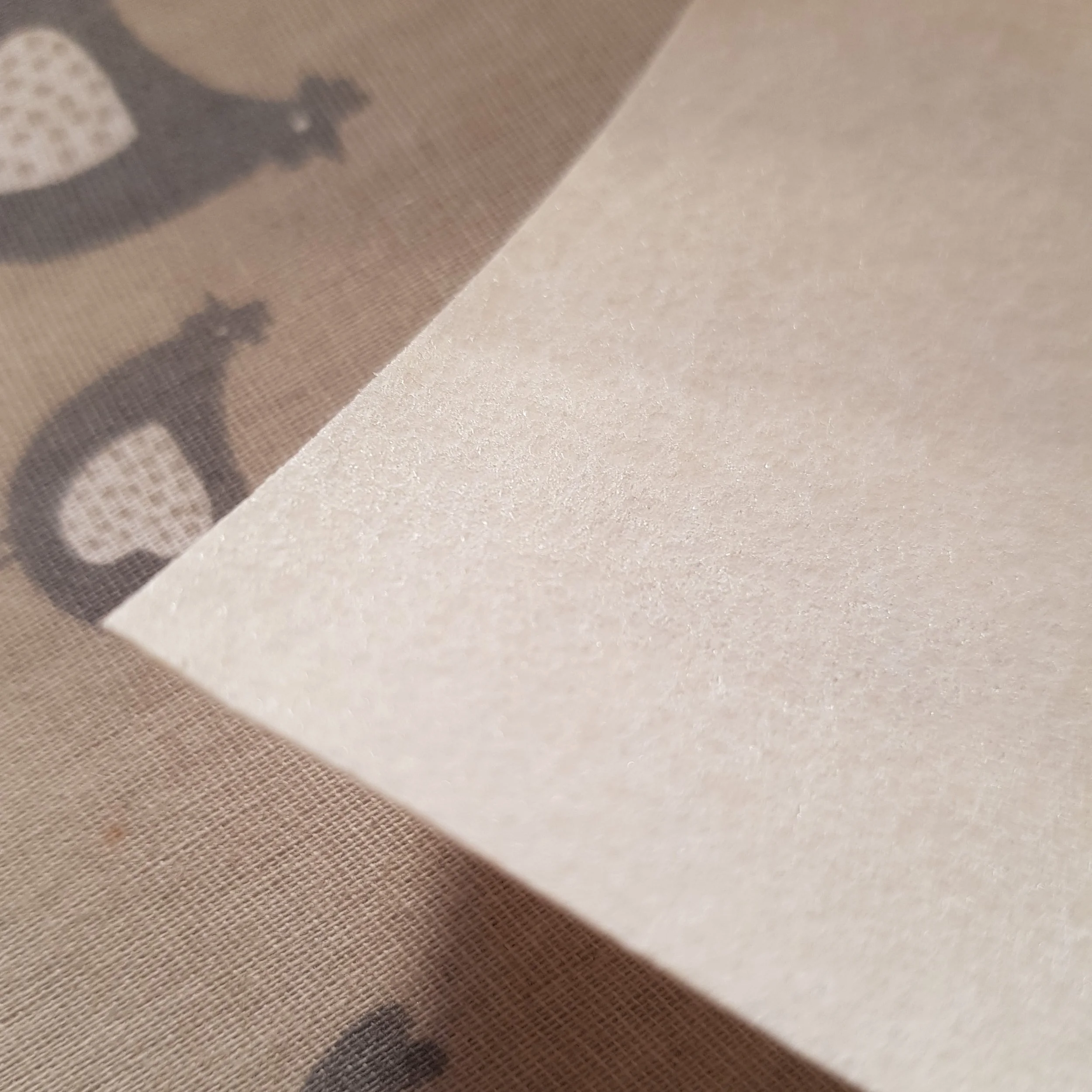
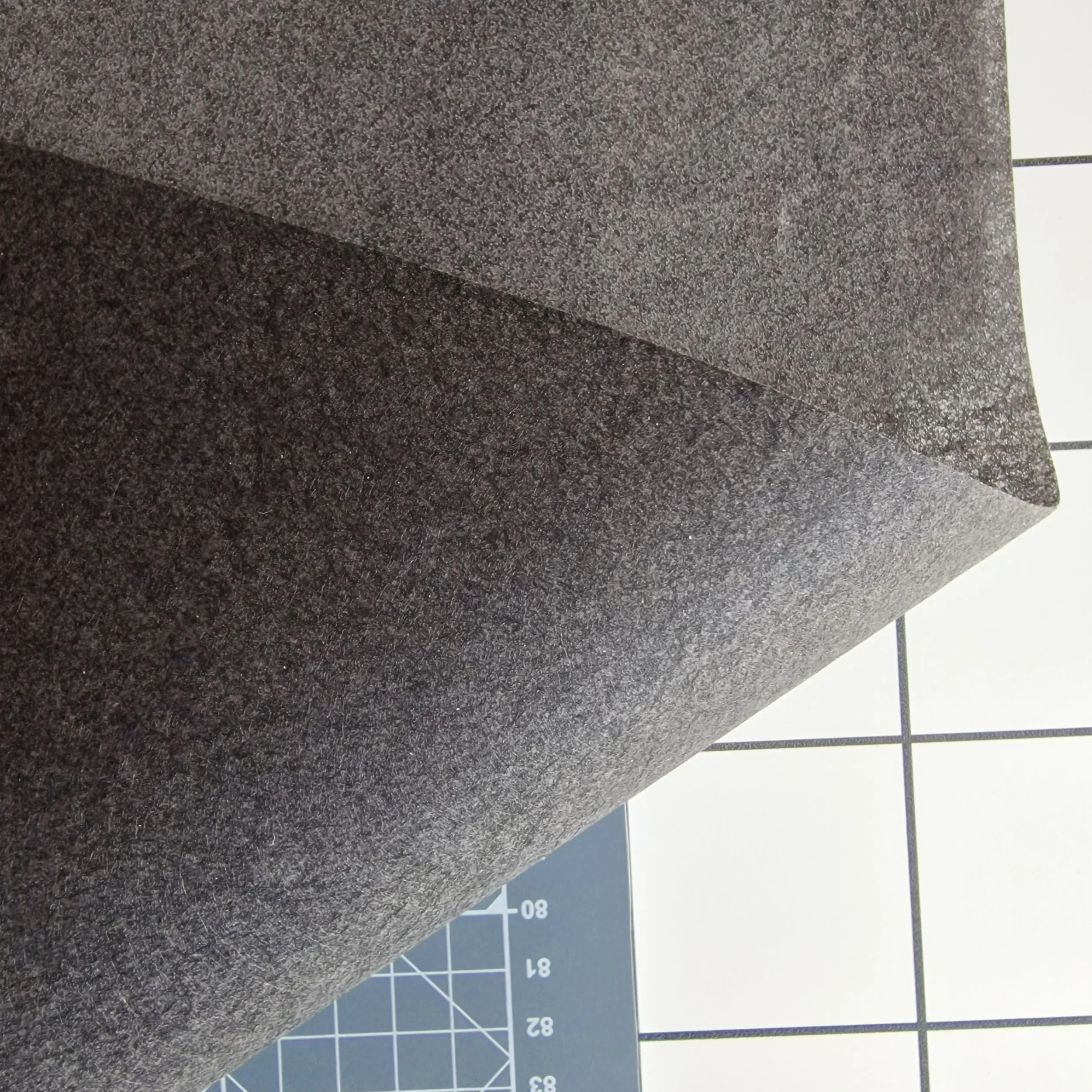
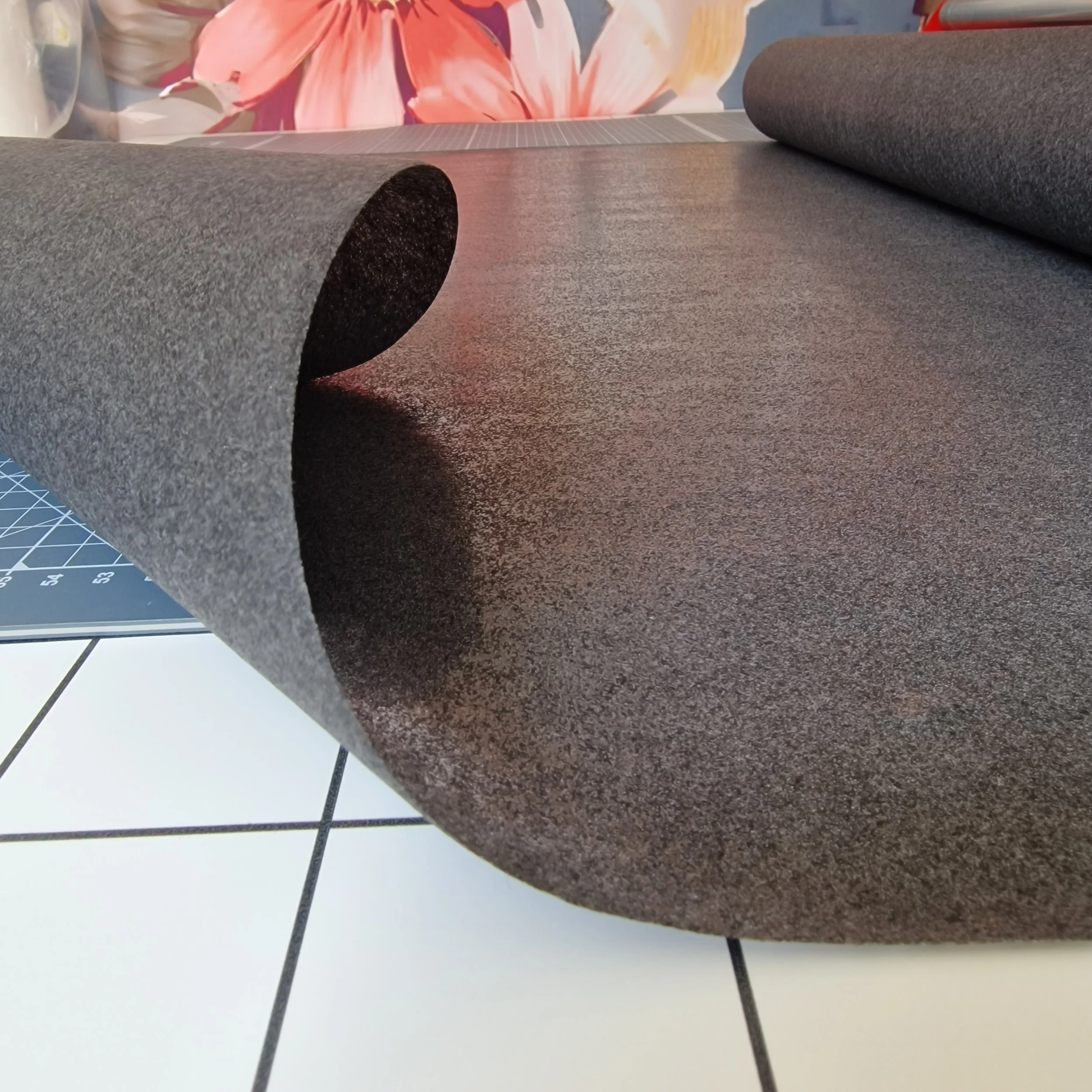
For structured handbags, choose a firm interfacing such as heavy fusible (like Decovil 1).
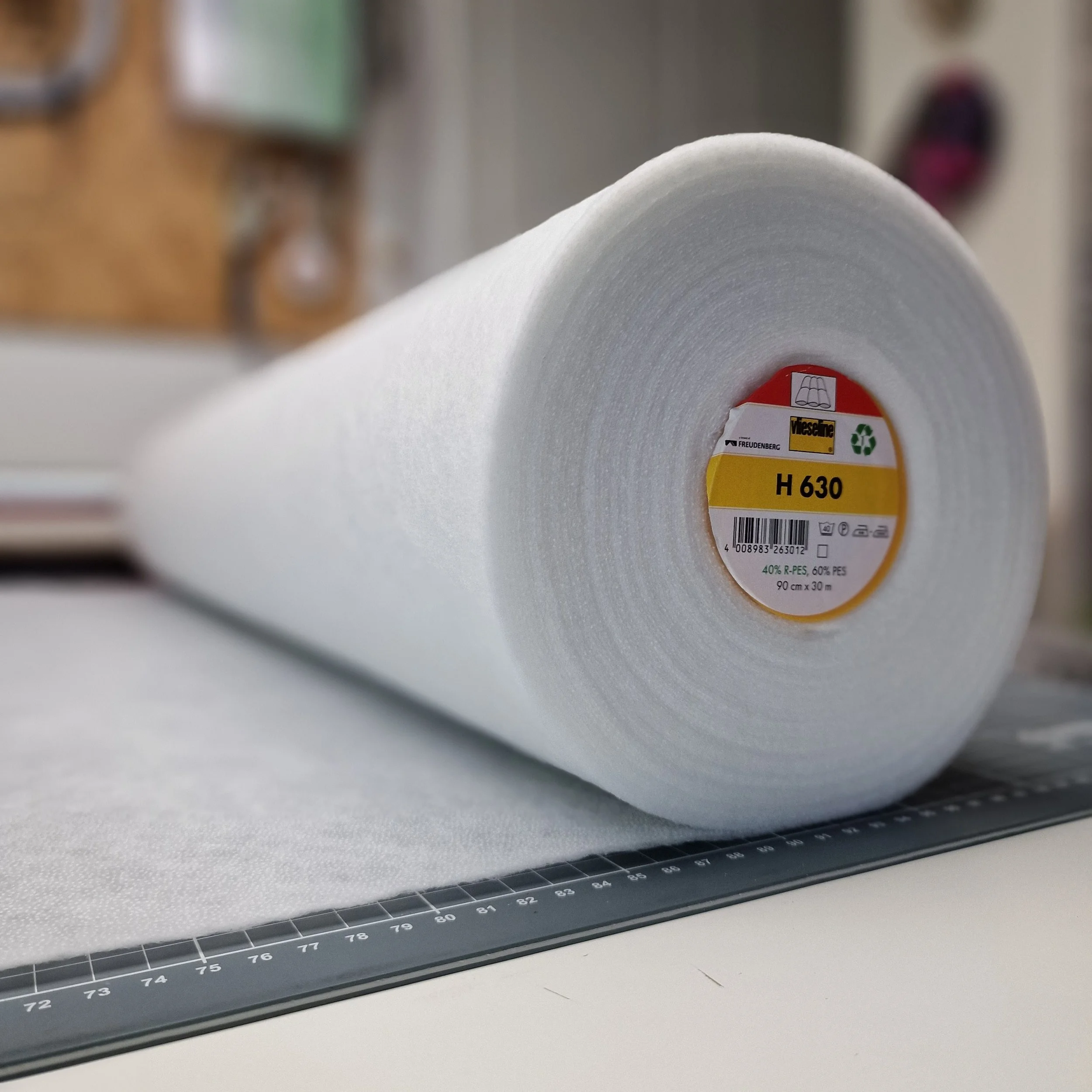
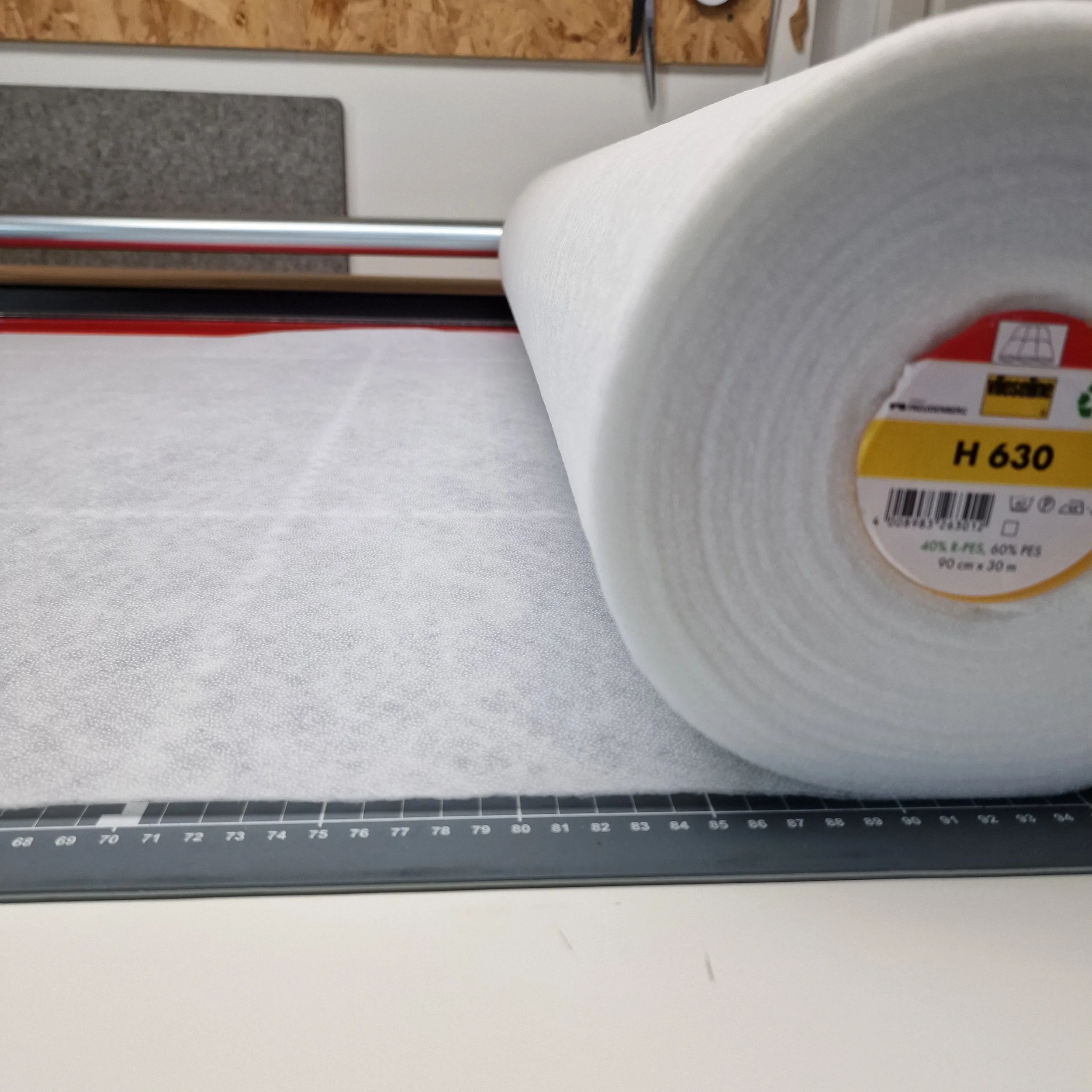
It provides the stiffness needed for the bag to hold its shape. For even more structure and extra padding, if needed, you can combine them with foam or H630/H640/Thermolam wadding depending on how firm you want the result.
-
Foam Style Vil-Fix is very good choice, however if you’re looking for cardboard-like structure, then Decovil 1 is the best choice. It can be combined with soft wadding, like H630/H640 or Thermolam for extra padding.
-
Yes—and in many cases, you should.
Combining materials allows you to customise the final result. For example, adding wadding for softness and interfacing for structure is a common technique in bag making.
Most popular combinations:
Basic rule:
Fabric + interfacing + stabiliser
1. Soft Everyday Bag
Outer: G700 + H630
Lining: F220 or G700
Result: soft, slightly structured
2. Quilted / Padded Bag
Outer: G700 + H640 or Thermolam
Lining: G700
Result: soft + padded
3. Structured Professional Bag
Outer: G700 + Style-Vil Fix
Lining: G700 or H250
Result: holds shape, stands up
4. Firm Structured Bag (No Padding)
Outer: G700 + Decovil Light
Base/flap: Decovil I
Result: crisp, structured
5. Lightweight Simple Bag
Outer: H250 or G405
Lining: F220
Result: light structure, easy to sew
* Please note, these are only possible suggestions. You might find that other combinations work better for you. Always test before applying to the main project.
-
Interfacing is used to add structure, support and stability to fabric.
Wadding (also called batting) is used to add softness, padding and volume.
In bag making, they are often used together to achieve both structure and comfort.
-
Fusible interfacing is the most commonly used option because it bonds directly to the fabric and is easy to work with.
Sew-in interfacing is useful when you don’t want to apply heat or when working with delicate fabrics.
For most bag-making projects, fusible options are the easiest and most reliable choice.
-
This usually means the interfacing is too lightweight for the project.
For bags that need to hold their shape, you’ll need a heavier stabiliser or a combination of materials such as interfacing plus foam.
Choosing the right weight makes a big difference to the final result.